
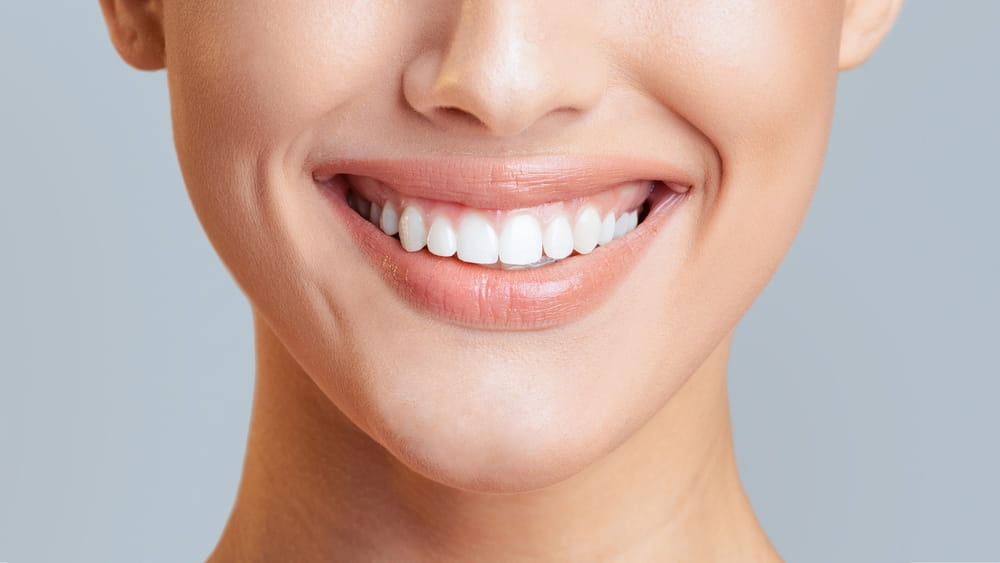
A brighter smile is one of the most requested cosmetic enhancements in dentistry today. Stained or discolored teeth can affect confidence, especially during social events, professional interactions, or photographs. At Back Bay Dental in Wolfeboro, NH, Dr. Nicholas Ciancarelli helps patients throughout Carroll County and the greater Lake Winnipesaukee region understand whether teeth whitening is an appropriate option for their individual needs. While whitening can deliver noticeable improvements, it is not a one-size-fits-all solution. Understanding how it works and who benefits most can help you make an informed decision.
Why Teeth Become Discolored
Tooth discoloration happens for a variety of reasons. External stains often develop from coffee, tea, red wine, tobacco use, and deeply pigmented foods. Over time, these substances attach to enamel and dull the natural brightness of teeth. Even excellent oral hygiene cannot always prevent surface stains from forming.
Internal discoloration can also occur. Aging naturally thins enamel, revealing the yellowish dentin underneath. Certain medications, trauma, or excessive fluoride exposure during childhood may lead to intrinsic stains that are more resistant to whitening. Identifying the cause of discoloration is the first step in determining whether whitening will be effective.
How Teeth Whitening Works
Professional teeth whitening treatments use safe, controlled bleaching agents to break down stain molecules within the enamel. The active ingredients penetrate the tooth surface, lightening both surface and some deeper stains. The process can significantly brighten a smile in a relatively short amount of time.
Whitening is often included within Cosmetic & Restorative Dentistry treatment plans when patients want to enhance their overall appearance. It is important to note that whitening affects natural tooth enamel but does not change the color of crowns, fillings, or other restorations. Evaluating existing dental work ensures balanced, natural-looking results.
Who Is a Good Candidate for Whitening?
Most adults with healthy teeth and gums are candidates for whitening. However, individuals with untreated cavities, gum disease, or significant enamel erosion should address those concerns first. Whitening agents can irritate compromised tissues or increase sensitivity if underlying problems are present.
A comprehensive exam through General Dentistry helps determine readiness for whitening. Patients with intrinsic stains from trauma or medication may need alternative cosmetic solutions if bleaching alone does not provide desired results.
Professional Whitening vs. Over-the-Counter Products
Over-the-counter whitening strips and gels are widely available, but they differ from professional treatments in strength and customization. Store-bought products use lower concentrations of bleaching agents and may not provide uniform coverage. Ill-fitting trays can also lead to uneven results or gum irritation.
Professional whitening treatments are carefully monitored and tailored to individual needs. Shade selection, gum protection, and application time are all managed for optimal safety and effectiveness. This approach often produces more predictable and noticeable improvements compared to generic products.
Managing Sensitivity During Whitening
Temporary sensitivity is one of the most common side effects of teeth whitening. Some patients experience brief discomfort when consuming hot or cold foods during or shortly after treatment. This sensitivity usually subsides within a few days.
If you already experience tooth sensitivity, it may be linked to enamel wear or gum recession. In such cases, evaluating the condition through services like Periodontal Medicine can help determine whether whitening is appropriate. Addressing gum health first can reduce the likelihood of irritation during cosmetic treatment.
When Whitening May Not Be Enough
While whitening can dramatically improve many smiles, it does not correct structural issues such as chipped, cracked, or severely discolored teeth. In some cases, additional cosmetic solutions may provide more comprehensive results.
For example, teeth with significant damage may benefit from treatments like CEREC Crowns, which restore both strength and aesthetics. Crowns are custom-designed to match surrounding teeth and can address discoloration that whitening alone cannot resolve. A personalized consultation helps determine the most effective approach for achieving your goals.
How Long Do Whitening Results Last?
The longevity of whitening results depends on lifestyle habits and oral hygiene. Avoiding tobacco and limiting staining beverages can help maintain brightness. Regular brushing, flossing, and professional cleanings also support longer-lasting results.
Over time, natural aging and dietary choices may cause gradual discoloration. Touch-up treatments may be recommended periodically to maintain your desired shade. Maintaining healthy enamel and gum tissue ensures that future whitening treatments remain safe and effective.
Is Teeth Whitening Worth It?
Teeth whitening is one of the simplest and most conservative ways to enhance your smile. It requires no drilling or structural alteration of the tooth and can often be completed in a short timeframe. For individuals seeking a noticeable improvement without extensive procedures, whitening can be a practical option.
However, it is important to have realistic expectations. Whitening brightens natural enamel but does not create a “perfect” smile on its own. Combining whitening with other cosmetic treatments may be appropriate for more comprehensive smile enhancement.
A brighter smile can boost confidence and refresh your overall appearance, but determining whether whitening is right for you begins with understanding your oral health. For residents of Wolfeboro, NH, Carroll County, and the greater Lake Winnipesaukee region, Back Bay Dental and Dr. Nicholas Ciancarelli are dedicated to providing education and personalized guidance to help you achieve a healthy, radiant smile.
Resources
American Dental Association. (2023). Tooth Whitening/Bleaching: Treatment Considerations for Dentists and Patients. ADA.
Joiner, A. (2006). The bleaching of teeth: A review of the literature. Journal of Dentistry.
Carey, C. M. (2014). Tooth whitening: What we now know. Journal of Evidence-Based Dental Practice.