
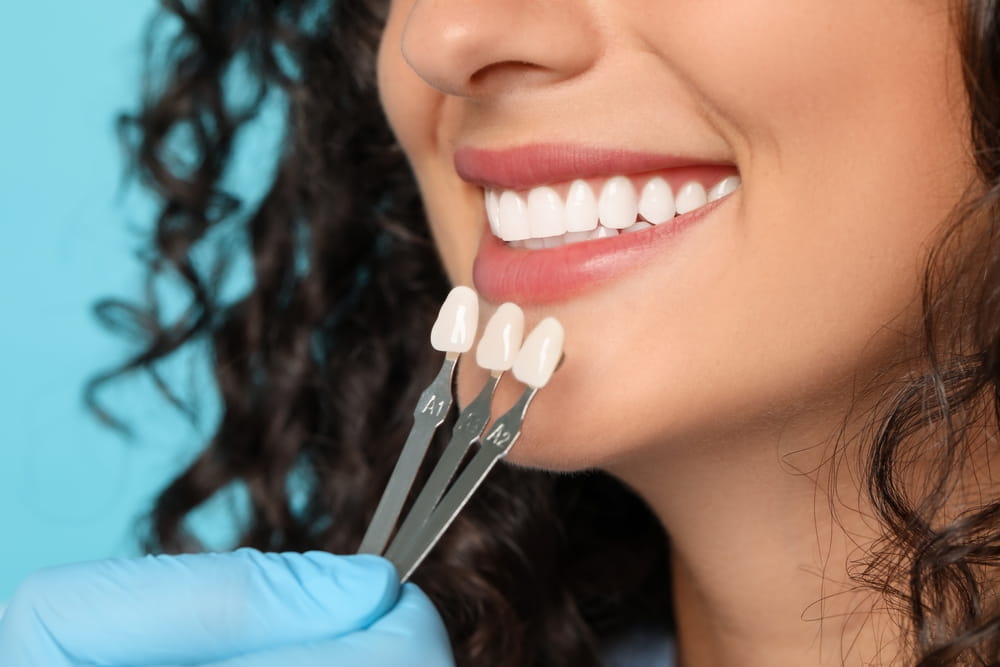
A confident smile can make a lasting impression, and dental veneers are one of the most versatile cosmetic solutions available today. Veneers are thin coverings placed over the front surfaces of teeth to improve color, shape, size, and overall appearance. At Back Bay Dental in Wolfeboro, NH, Dr. Nicholas Ciancarelli educates patients throughout Carroll County and the greater Lake Winnipesaukee region about the various veneer options available and how each type serves different aesthetic goals. Understanding the differences can help you determine which approach aligns best with your smile objectives.
What Are Dental Veneers?
Dental veneers are custom-crafted shells designed to bond securely to the front of natural teeth. They are commonly used to address concerns such as discoloration, chipped teeth, gaps, minor misalignment, and uneven shapes. Veneers provide a dramatic transformation while preserving much of the underlying tooth structure.
Veneers are typically included within broader Cosmetic & Restorative Dentistry treatment plans. Because they are tailored to each patient’s facial features and smile goals, veneers offer a highly personalized cosmetic solution. The type of material used plays a key role in durability, appearance, and preparation requirements.
Porcelain Veneers
Porcelain veneers are among the most popular and durable options available. Crafted from high-quality ceramic materials, they are known for their natural translucency and ability to closely mimic tooth enamel. Porcelain resists staining better than many other materials, making it an excellent long-term option for patients concerned about discoloration.
The process typically involves removing a small amount of enamel to create space for the veneer. Impressions or digital scans are then used to fabricate custom veneers that fit precisely. In many cases, advanced technology such as CEREC Crowns demonstrates how digital design and milling can create highly accurate ceramic restorations. Porcelain veneers are durable and can last many years with proper care.
Composite Resin Veneers
Composite veneers are made from tooth-colored resin material applied directly to the tooth and sculpted into shape. This option often requires less enamel removal compared to porcelain veneers and can sometimes be completed in a single visit.
Composite veneers are typically more affordable initially, but they may not last as long as porcelain and are more prone to staining over time. However, they are easier to repair if chipped. For patients seeking a quicker or more conservative cosmetic improvement, composite veneers can provide noticeable results with minimal preparation.
Minimal-Prep or “No-Prep” Veneers
Minimal-prep veneers, sometimes referred to as “no-prep” veneers, are ultra-thin porcelain shells that require little to no enamel removal. Because they are thinner than traditional veneers, they preserve more natural tooth structure.
These veneers may be suitable for patients with small teeth, minor gaps, or minimal discoloration. However, they are not appropriate for every case. Proper evaluation ensures that the additional thickness does not create a bulky appearance or affect bite alignment. Careful planning within cosmetic treatment ensures natural-looking results.
Lumineers and Ultra-Thin Veneer Options
Lumineers are a brand of ultra-thin porcelain veneers designed to minimize tooth preparation. Like other minimal-prep options, they are bonded directly to the existing tooth surface. Their thin structure can be appealing to patients seeking a less invasive approach.
However, because they are applied over the existing tooth, they may not effectively mask severe discoloration or major structural issues. A thorough examination helps determine whether traditional porcelain veneers would provide more predictable aesthetic results.
Temporary Veneers
Temporary veneers are sometimes placed while waiting for permanent restorations to be fabricated. They protect prepared teeth and give patients a preview of the final appearance. Although not designed for long-term wear, temporary veneers play an important role in ensuring comfort and aesthetics during the treatment process.
They also allow for adjustments in shape and shade before final placement. This trial phase supports patient satisfaction and ensures the final veneers align with desired results.
When Veneers May Not Be the Best Option
While veneers are highly versatile, they are not ideal for every situation. Patients with significant tooth decay, advanced gum disease, or insufficient enamel may require alternative treatments. Addressing underlying oral health concerns through General Dentistry is essential before pursuing cosmetic enhancements.
In cases involving extensive damage or structural weakness, full-coverage restorations such as crowns may offer better long-term protection. Diagnostic tools like 3D CBCT Dental Imaging can help evaluate bone support and root health before proceeding with cosmetic work.
Longevity and Maintenance of Veneers
The lifespan of veneers depends on the material used and how well they are maintained. Porcelain veneers often last 10 to 15 years or longer with proper care, while composite veneers may require more frequent touch-ups. Good oral hygiene, regular dental visits, and avoiding habits such as biting ice or using teeth as tools help extend their durability.
Although veneers are stain-resistant, surrounding natural teeth may discolor over time. Periodic professional cleanings and good home care maintain overall smile harmony. Wearing a nightguard may also be recommended for individuals who grind their teeth, protecting veneers from excessive pressure.
Choosing the Right Veneer for Your Smile
Selecting the right type of veneer depends on your aesthetic goals, oral health, and lifestyle habits. Some patients prioritize maximum durability, while others prefer minimal tooth preparation. A personalized evaluation ensures that material selection, shade matching, and tooth preparation align with both cosmetic desires and functional needs.
Dental veneers offer a transformative solution for enhancing confidence and correcting a range of aesthetic concerns. By understanding the different types available, patients can make informed decisions about their smile. For residents of Wolfeboro, NH, Carroll County, and the greater Lake Winnipesaukee region, Back Bay Dental and Dr. Nicholas Ciancarelli are dedicated to providing education and guidance on cosmetic dental options that support both beauty and long-term oral health.
Resources
Peumans, M., et al. (2000). Porcelain veneers: A review of the literature. Journal of Dentistry.
American Dental Association. (2022). Veneers: What Patients Should Know. ADA.
Layton, D., & Walton, T. (2012). The up to 21-year clinical outcome and survival of feldspathic porcelain veneers. International Journal of Prosthodontics.