
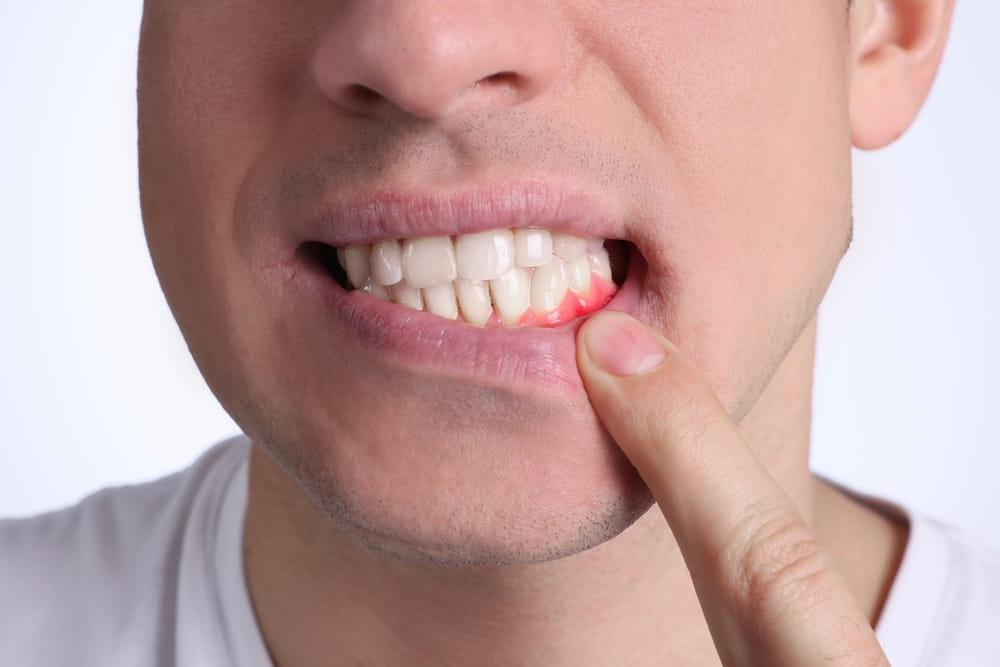
A dental abscess is one of the most serious oral health conditions a person can experience. Often painful and sometimes accompanied by swelling or fever, it signals a bacterial infection that requires prompt attention. At Back Bay Dental in Wolfeboro, NH, Dr. Nicholas Ciancarelli emphasizes the importance of recognizing the signs of an abscess early for patients throughout Carroll County and the greater Lake Winnipesaukee region. Understanding what a dental abscess is and how to respond can protect both your oral health and overall well-being.
What Is a Dental Abscess?
A dental abscess is a pocket of pus caused by a bacterial infection. It typically develops at the root of a tooth (periapical abscess) or in the surrounding gum tissue (periodontal abscess). The infection often begins with untreated tooth decay, a cracked tooth, or advanced gum disease that allows bacteria to reach deeper tissues.
Once bacteria invade the inner pulp of the tooth or the supporting gum structures, the body responds with inflammation and infection. Pressure builds as pus accumulates, leading to significant pain and swelling. Without treatment, the infection can spread to surrounding tissues and, in severe cases, beyond the mouth.
Recognizing the Symptoms
Symptoms of a dental abscess can vary but often include persistent, throbbing tooth pain that may radiate to the jaw, ear, or neck. Swelling in the gums or face, sensitivity to pressure, and a foul taste in the mouth are also common. Some individuals experience fever or swollen lymph nodes.
In certain cases, a small bump resembling a pimple may appear on the gums near the affected tooth. This bump may drain fluid, temporarily reducing pain but not eliminating the infection. Any combination of severe pain and swelling should be treated as a dental emergency requiring prompt evaluation.
Immediate Steps to Take at Home
If you suspect a dental abscess, rinse your mouth gently with warm salt water to help cleanse the area and reduce surface bacteria. Over-the-counter pain relievers may provide temporary relief, but they do not treat the infection itself. Avoid placing aspirin directly against the gums, as it can cause tissue irritation.
Applying a cold compress to the outside of the cheek can reduce swelling and ease discomfort. However, home remedies are only temporary measures. A dental abscess cannot resolve on its own and requires professional treatment to eliminate the source of infection.
Why Prompt Treatment Is Essential
Ignoring a dental abscess can lead to serious complications. The infection may spread to nearby tissues, causing facial swelling or difficulty swallowing. In rare but severe cases, bacteria can enter the bloodstream, posing significant health risks.
Advanced diagnostic tools such as 3D CBCT Dental Imaging provide detailed images of the affected tooth and surrounding bone. This imaging helps identify the extent of infection and guides appropriate treatment. Early intervention increases the likelihood of preserving the natural tooth and prevents the infection from spreading.
Treatment Options for a Dental Abscess
Treatment depends on the location and severity of the infection. In many cases, the primary goal is to drain the abscess and eliminate bacteria. This may involve removing infected tissue or addressing the damaged tooth structure.
If the tooth can be saved, restorative procedures within Cosmetic & Restorative Dentistry may rebuild and protect the remaining structure. In situations where the tooth is severely compromised, procedures within Oral Surgery may be necessary to remove the source of infection. After extraction, long-term solutions such as Implant Restoration can restore function and appearance while preserving jawbone health.
The Role of Antibiotics
Antibiotics may be prescribed to help control the spread of infection, particularly if swelling or systemic symptoms are present. However, antibiotics alone do not eliminate the source of the abscess. They are typically used alongside definitive dental treatment to ensure comprehensive care.
Relying solely on medication without addressing the underlying cause can allow the infection to return. Proper dental intervention ensures that infected tissue is fully treated and that the tooth or surrounding structures are stabilized.
Preventing Dental Abscesses
Preventive care is the most effective way to avoid a dental abscess. Daily brushing and flossing remove plaque that can lead to decay and gum disease. Regular checkups through General Dentistry allow early detection of cavities, cracks, or gum inflammation before infection develops.
Treating small cavities promptly prevents bacteria from reaching the pulp. Addressing gum disease early reduces the likelihood of periodontal abscess formation. Protective habits, such as wearing a mouthguard during sports and avoiding hard foods that may crack teeth, further reduce risk.
When to Seek Emergency Care
Seek immediate dental attention if you experience severe pain, facial swelling, difficulty breathing or swallowing, or a high fever. These symptoms may indicate that the infection is spreading and requires urgent intervention. Prompt care protects not only your oral health but your overall health as well.
A dental abscess is not a condition to wait out or manage solely with home remedies. Timely diagnosis and treatment are essential to prevent complications and preserve your smile. For individuals in Wolfeboro, NH, Carroll County, and the greater Lake Winnipesaukee region, Back Bay Dental and Dr. Nicholas Ciancarelli remain committed to providing education and guidance for managing dental infections safely and effectively.
Resources
American Dental Association. (2023). Abscessed Tooth: Symptoms and Treatment. ADA.
National Institute of Dental and Craniofacial Research. (2022). Abscessed Tooth. NIDCR.
Siqueira, J. F., & Rôças, I. N. (2014). Microbiology and treatment of acute apical abscesses. Clinical Microbiology Reviews.