
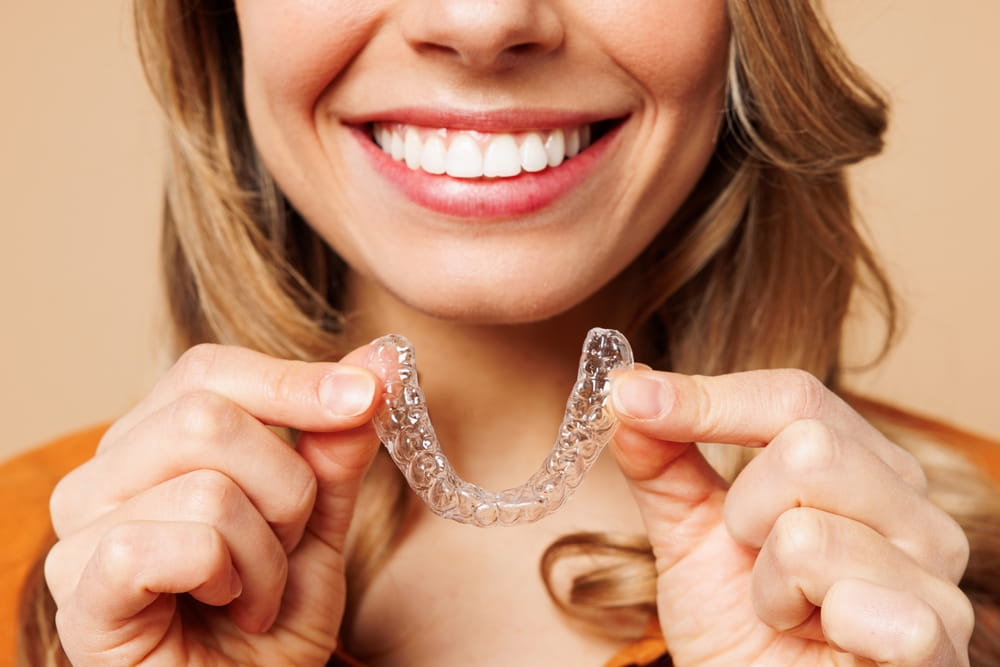
Clear aligners have become one of the most popular orthodontic treatment options for adults seeking a straighter smile without traditional braces. As demand has increased, patients now have more choices than ever before, including professionally supervised systems and direct-to-consumer mail-order aligners. While both options may appear similar at first glance, there are important differences in safety, customization, treatment planning, and long-term oral health considerations.
In communities like Wolfeboro, NH and throughout the Lake Winnipesaukee region, many adults are exploring orthodontic treatment later in life for cosmetic improvements, bite correction, or overall dental wellness. Back Bay Dental and Dr. Nicholas Ciancarelli often educate patients about the distinctions between professionally managed aligner systems and mail-order alternatives so individuals can make informed decisions about their care.
Although mail-order aligners are often marketed as convenient and inexpensive, orthodontic treatment involves more than simply moving teeth. Proper diagnosis, monitoring, and bite evaluation all play important roles in achieving safe and stable results. Understanding these differences can help patients better evaluate which approach aligns with their long-term oral health goals.
SureSmile Uses Comprehensive Professional Evaluation
One of the biggest differences between SureSmile Clear Aligners and mail-order aligners is the level of professional oversight involved throughout treatment. SureSmile treatment begins with a comprehensive dental evaluation performed by a licensed dental professional who assesses not only tooth alignment but also overall oral health.
Before teeth are moved, providers evaluate gum health, bone support, bite function, existing restorations, jaw position, and other factors that may affect treatment outcomes. Technologies such as 3D CBCT Dental Imaging may be used to create highly detailed images of the teeth and surrounding structures, helping identify issues that may not be visible through photos or basic impressions alone.
Mail-order aligner systems typically rely on self-submitted impressions or scans without the same level of in-person diagnostic evaluation. While some companies may involve remote dental review, patients generally do not receive comprehensive clinical examinations before treatment begins. This distinction matters because untreated gum disease, cavities, bite problems, or bone loss can complicate tooth movement and potentially affect oral health outcomes.
Professional supervision also allows treatment plans to be adjusted when necessary. Teeth do not always move exactly as predicted, and providers may refine aligner sequences or address concerns during follow-up visits to improve results and stability.
Bite Alignment Matters Beyond Cosmetic Appearance
Many people assume aligners are purely cosmetic, but orthodontic treatment also affects bite function and long-term dental stability. A properly aligned bite helps distribute chewing forces evenly across the teeth and may reduce excessive wear, fractures, and jaw strain over time.
Professionally supervised aligner systems evaluate how upper and lower teeth fit together throughout treatment. Bite relationships are carefully monitored to help prevent issues such as uneven pressure, improper tooth contact, or shifting that could contribute to discomfort later.
Mail-order aligner systems often focus primarily on the visible appearance of front teeth rather than comprehensive bite correction. While minor cosmetic adjustments may sometimes be appropriate for remote treatment, more complex alignment concerns usually require closer clinical supervision.
Adults over 50 may especially benefit from careful bite management because aging teeth often have existing restorations, wear patterns, or periodontal concerns that need to be considered before orthodontic movement begins. Treatments connected to Cosmetic & Restorative Dentistry may also depend on stable bite alignment for long-term success.
SureSmile Treatment Incorporates Advanced Technology
Modern orthodontic technology plays a major role in improving treatment precision and predictability. SureSmile uses advanced digital planning software that maps tooth movement in highly detailed stages. Digital imaging and computer-guided treatment planning help providers create customized aligners designed around each patient’s specific anatomy and bite relationships.
Technologies like 3D Printing also support the creation of highly accurate aligners and treatment models. These tools allow providers to make detailed adjustments and monitor progress more effectively throughout the orthodontic process.
Mail-order systems may not offer the same level of customization or clinical monitoring. Because treatment is managed remotely, providers have less opportunity to evaluate how teeth are responding biologically during movement. In some situations, teeth may not track properly within the aligners, leading to incomplete correction or unwanted bite changes.
Professional supervision can also improve communication during treatment. Patients have the opportunity to ask questions, discuss concerns, and receive in-person evaluations if discomfort or unexpected changes occur.
Gum and Bone Health Require Careful Monitoring
Orthodontic treatment affects not only the teeth but also the gums and surrounding bone. Adults considering aligners may already have mild gum recession, bone loss, or periodontal disease that requires careful management during tooth movement.
Periodontal Medicine often plays an important role in adult orthodontic treatment because healthy gums and bone support are essential for successful tooth movement. Dental professionals can monitor periodontal conditions throughout treatment and recommend adjustments if concerns arise.
Mail-order systems may not provide the same level of periodontal evaluation or ongoing monitoring. Patients with undiagnosed gum disease may experience worsening inflammation or instability if orthodontic treatment proceeds without addressing underlying oral health conditions first.
This is particularly important for older adults who may have previous crowns, implants, or restorative work that must be carefully coordinated during treatment planning. Aligners should function as part of a complete oral health strategy rather than as an isolated cosmetic service.
Mail-Order Convenience vs Personalized Dental Care
Mail-order aligners are often promoted as convenient because they reduce office visits and allow treatment to be managed remotely. While convenience appeals to many consumers, orthodontic treatment still involves biological processes that may vary from person to person.
Professionally supervised care provides a more personalized experience that accounts for individual anatomy, oral health history, bite mechanics, and treatment goals. Adjustments can be made throughout treatment if progress changes or additional refinement becomes necessary.
Many adults appreciate having direct access to a provider who understands their full dental history and can coordinate orthodontic treatment alongside other procedures such as Implant Restoration, crowns, or preventive care.
For patients seeking long-term stability and comprehensive care, professional oversight often provides reassurance that treatment decisions are being guided by clinical evaluation rather than standardized remote protocols alone.
Understanding the Value of Supervised Orthodontic Care
Clear aligner treatment has made orthodontics more accessible and appealing for adults of all ages. However, not all aligner systems operate with the same level of diagnostic evaluation, supervision, or customization. While mail-order aligners may appear attractive because of convenience and lower upfront costs, professionally supervised treatment offers a more comprehensive approach focused on oral health, bite function, and long-term outcomes.
Back Bay Dental and Dr. Nicholas Ciancarelli recognize that patients throughout Wolfeboro, Carroll County, and the Lake Winnipesaukee region want orthodontic solutions that balance aesthetics, comfort, and safety. Understanding how systems like SureSmile differ from mail-order alternatives can help patients make informed decisions that support both their smiles and their overall oral health.
As dental technology continues advancing, professionally guided orthodontic care remains an important part of achieving predictable and healthy long-term results.
Resources
Rossini, G., Parrini, S., Castroflorio, T., Deregibus, A., & Debernardi, C. L. (2015). Efficacy of Clear Aligners in Controlling Orthodontic Tooth Movement: A Systematic Review. Angle Orthodontist.
Keim, R. G., Gottlieb, E. L., Nelson, A. H., & Vogels, D. S. (2014). 2014 JCO Study of Orthodontic Diagnosis and Treatment Procedures. Journal of Clinical Orthodontics.
Papadimitriou, A., Mousoulea, S., Gkantidis, N., & Kloukos, D. (2018). Clinical Effectiveness of Invisalign Orthodontic Treatment: A Systematic Review. Progress in Orthodontics.