
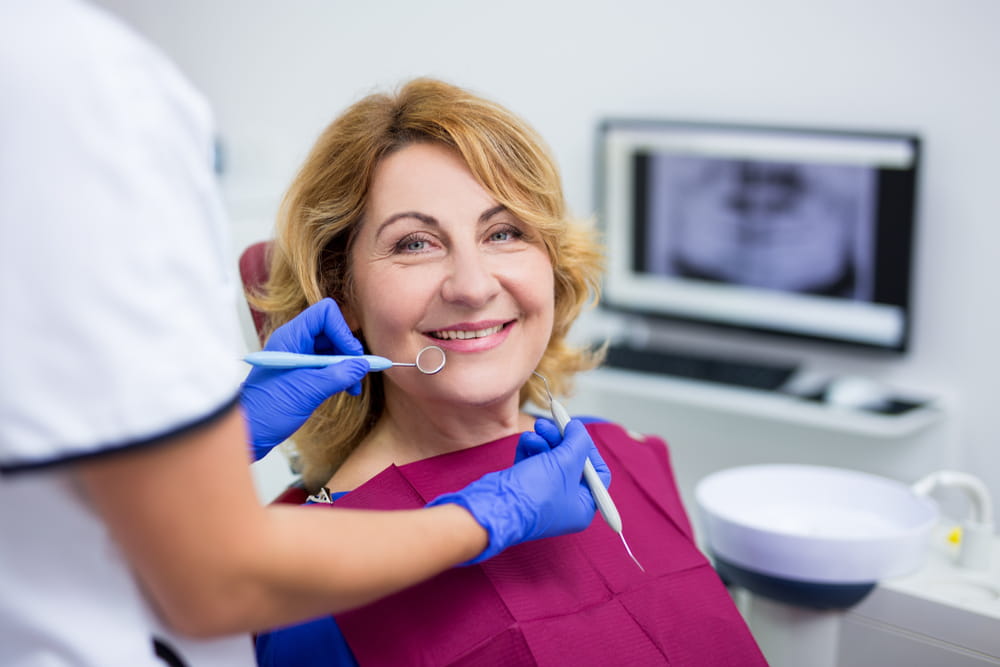
Many adults entering retirement are approaching healthcare differently than previous generations. Rather than waiting for problems to arise, affluent retirees are increasingly prioritizing preventive care to protect their long-term health, comfort, and quality of life. Dentistry is no exception. Across communities like Wolfeboro, NH and the greater Lake Winnipesaukee region, more adults over 55 are investing in preventive dental care designed to reduce future complications and maintain strong oral health as they age.
Back Bay Dental and Dr. Nicholas Ciancarelli often help patients understand that preventive dentistry goes beyond routine cleanings. Modern preventive care includes early diagnosis, advanced imaging, periodontal monitoring, bite evaluations, and personalized treatment planning. Many retirees recognize that preserving natural teeth and avoiding major restorative procedures later in life can contribute to both overall wellness and financial predictability.
Adults today are also remaining active much longer than previous generations. Travel, social engagement, outdoor recreation, and professional involvement often continue well into retirement years. Maintaining oral health becomes an important part of preserving confidence, comfort, and daily function throughout these activities.
Prevention Helps Reduce Complex Dental Problems
One of the primary reasons affluent retirees value preventive dentistry is the desire to avoid more extensive dental issues later. As people age, oral health conditions can become more complicated due to bone loss, gum recession, worn restorations, dry mouth, and chronic health conditions that affect the mouth.
Preventive dental visits allow providers to identify concerns early before they progress into larger problems. Small cavities, mild gum inflammation, bite imbalances, or cracked restorations are often easier and less invasive to manage when discovered early. Technologies like 3D CBCT Dental Imaging help support detailed evaluations that may reveal issues not visible during standard examinations alone.
Many retirees understand that delaying treatment can sometimes lead to more extensive procedures involving implants, extractions, oral surgery, or full-mouth rehabilitation. Preventive dentistry focuses on preserving healthy teeth and supporting stability over time rather than reacting only after discomfort develops.
Another important consideration is that oral health is closely connected to overall health. Gum disease has been associated with conditions such as cardiovascular disease, diabetes, and systemic inflammation. Adults who prioritize wellness often view preventive dental care as part of maintaining broader health goals during retirement.
Affluent Adults Often Value Comfort and Convenience
Modern preventive dentistry has become increasingly sophisticated and patient-focused. Many affluent retirees are drawn to practices that emphasize advanced technology, efficiency, and comfort rather than traditional dental experiences that may have felt stressful or time-consuming in the past.
Technologies such as Solea Laser Dentistry and digital scanning systems can help create more comfortable appointments while minimizing invasive treatment when possible. Adults over 55 often appreciate dental care that feels streamlined, gentle, and technologically advanced.
Convenience also matters. Retirees frequently travel, maintain multiple residences, or enjoy active schedules throughout the year. Preventive care helps reduce the likelihood of unexpected dental emergencies disrupting vacations, social events, or seasonal plans around Lake Winnipesaukee and Carroll County.
Efficiency has become another major factor. Modern diagnostics, digital records, and advanced planning tools can help providers monitor oral health more precisely while reducing unnecessary appointments. Many adults prefer proactive care that helps maintain stability and predictability over time.
Preventive Dentistry Supports Cosmetic Longevity
For many retirees, maintaining a healthy smile is also tied to confidence and personal appearance. Adults are living longer, remaining socially active, and participating in professional or community activities well into retirement. Preventive dentistry helps support the longevity of cosmetic and restorative dental work while preserving natural teeth whenever possible.
Routine maintenance may help protect treatments completed through Cosmetic & Restorative Dentistry, including crowns, veneers, fillings, and implant restorations. Preventive monitoring can identify signs of wear, bite stress, or gum changes before these issues compromise existing dental work.
Affluent retirees often understand that cosmetic dentistry is not simply about aesthetics. A healthy, balanced smile may improve comfort while eating, speaking, and smiling naturally in social situations. Preventive care helps preserve these outcomes over time.
In addition, adults who have invested in Implant Restoration or other restorative procedures may require ongoing maintenance to protect bone health and surrounding tissues. Preventive visits allow providers to monitor these restorations carefully and address minor concerns early.
Preventive Care May Help Preserve Natural Teeth Longer
One of the biggest priorities for many older adults is keeping their natural teeth healthy for as long as possible. Tooth loss can affect chewing ability, speech, facial structure, and overall confidence. Preventive dentistry aims to reduce the risk of conditions that contribute to tooth loss, including advanced decay and periodontal disease.
Periodontal Medicine has become increasingly important for adults over 55 because gum health naturally changes with age. Even mild gum inflammation may progress more quickly if left untreated. Preventive periodontal care helps support the structures that hold teeth securely in place.
Many retirees appreciate that modern dentistry emphasizes preservation rather than extraction whenever appropriate. Preventive treatment plans often focus on maintaining healthy enamel, supporting gum stability, monitoring bite alignment, and reducing unnecessary wear on teeth.
Adults who maintain strong preventive routines may also reduce the likelihood of needing more extensive procedures such as Oral Surgery later in life.
Technology Is Reshaping Preventive Dentistry
Advancements in dental technology continue improving preventive care for older adults. Digital imaging, AI-assisted diagnostics, laser dentistry, and customized treatment planning are allowing providers to detect changes earlier and manage oral health more proactively.
Technologies like 3D Printing and digital scanning systems can improve the precision of appliances, retainers, and restorations while creating a more comfortable patient experience overall. These innovations support a more personalized approach to preventive dentistry.
Clear aligner systems such as SureSmile Clear Aligners may also play a preventive role for some adults by improving bite alignment and reducing uneven tooth wear. Small shifts in tooth position over time can contribute to cleaning difficulties and stress on restorations if left unaddressed.
Affluent retirees are often drawn to practices that incorporate modern technology because these tools may improve efficiency, communication, comfort, and long-term treatment outcomes.
Prioritizing Oral Health for an Active Retirement
Retirement today looks very different than it did decades ago. Many adults continue traveling, exercising, volunteering, socializing, and participating in community life long after leaving the workforce. Maintaining oral health plays an important role in supporting this active lifestyle.
Back Bay Dental and Dr. Nicholas Ciancarelli recognize that adults throughout Wolfeboro and the Lake Winnipesaukee region are increasingly interested in preventive strategies that help maintain comfort, function, and confidence over time. Preventive dentistry allows patients to focus on preserving health rather than reacting to unexpected problems later.
For many affluent retirees, preventive dental care represents an investment in long-term wellness, independence, and quality of life. By prioritizing routine monitoring, early intervention, and modern technology, adults over 55 can often maintain healthier smiles and greater peace of mind throughout retirement.
Resources
Petersen, P. E., & Ogawa, H. (2012). The Global Burden of Periodontal Disease: Towards Integration With Chronic Disease Prevention and Control. Periodontology 2000.
Tonetti, M. S., Jepsen, S., Jin, L., & Otomo-Corgel, J. (2017). Impact of the Global Burden of Periodontal Diseases on Health, Nutrition and Wellbeing of Mankind. Journal of Clinical Periodontology.
Wright, J. T., Crall, J. J., Fontana, M., et al. (2016). Evidence-Based Clinical Practice Guideline for the Use of Pit-and-Fissure Sealants. Journal of the American Dental Association.