
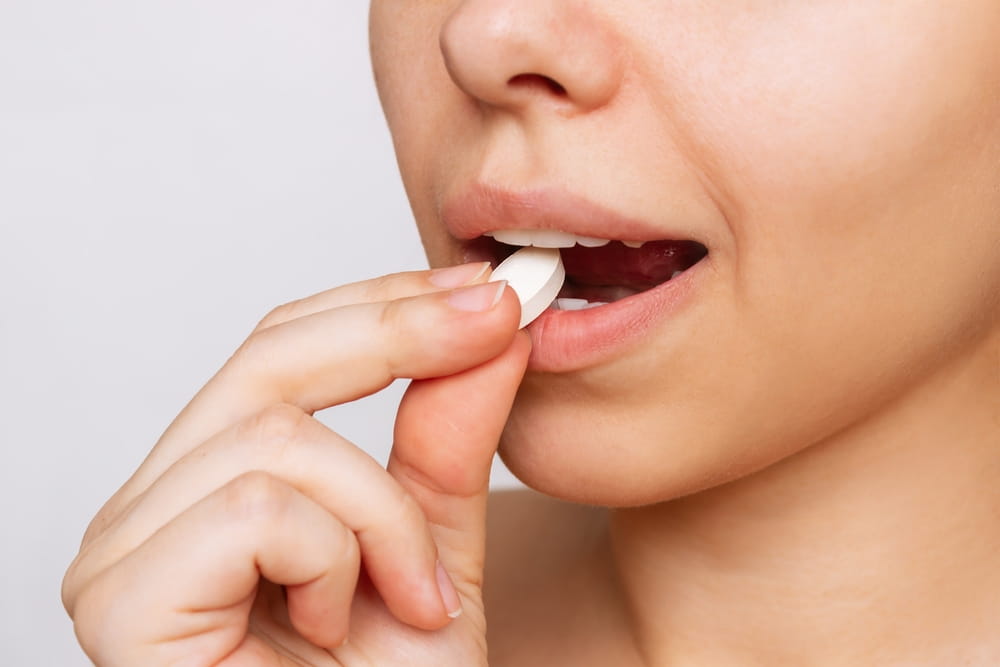
Back Bay Dental understands that many patients in Wolfeboro, NH and across the greater Lake Winnipesaukee region rely on medications to manage chronic conditions and support overall health. While these prescriptions are often essential, they can also have unintended effects on oral health, making awareness and prevention key parts of long-term dental wellness.
How Medications Affect the Mouth
Understanding Medication-Related Oral Changes
Hundreds of commonly prescribed and over-the-counter medications can influence oral health. Drugs used to treat high blood pressure, anxiety, depression, allergies, pain, and heart conditions frequently alter how the mouth functions. These changes may occur gradually, making them easy to overlook until symptoms become uncomfortable or problematic.
One of the most common effects is reduced saliva production. Saliva plays a crucial role in neutralizing acids, washing away food particles, and protecting teeth from decay. When medications interfere with salivary flow, the risk of cavities, gum disease, and oral infections increases, underscoring the importance of routine evaluations through general dentistry.
Dry Mouth and Its Dental Consequences
Why Xerostomia Is More Than an Inconvenience
Dry mouth, also known as xerostomia, is a frequent side effect of medications such as antihistamines, diuretics, antidepressants, and muscle relaxants. Without adequate saliva, the mouth becomes more vulnerable to bacterial growth, leading to tooth decay and gum irritation.
Persistent dry mouth can also affect chewing, swallowing, and speech, making daily activities uncomfortable. Seniors and individuals taking multiple medications are especially at risk. Preventive strategies, professional monitoring, and personalized oral care routines can help reduce complications associated with medication-induced dryness.
Medications and Gum Health
Increased Risk of Periodontal Disease
Certain medications can directly impact the gums. Some drugs, including calcium channel blockers and immunosuppressants, may cause gum tissue overgrowth, making it more difficult to clean teeth effectively. Others can increase inflammation or suppress immune responses, allowing periodontal disease to progress more rapidly.
Because gum disease is closely linked to systemic conditions such as diabetes and cardiovascular disease, managing oral inflammation is especially important. Approaches rooted in periodontal medicine focus on identifying early signs of gum disease and understanding how medications interact with oral and overall health.
Medications That Affect Tooth Structure and Sensitivity
Changes in Enamel and Oral Tissues
Some medications, including liquid syrups and chewable tablets, contain sugars or acids that contribute to enamel erosion over time. Others may alter taste perception, leading patients to favor sweeter foods that increase cavity risk. Long-term use of certain inhalers and chemotherapy agents can also weaken enamel or irritate soft tissues.
These effects highlight the importance of tailored preventive care. Regular dental exams help identify early signs of enamel wear or sensitivity so protective strategies can be implemented before significant damage occurs.
Oral Infections and Immune-Suppressing Drugs
Increased Susceptibility to Fungal and Bacterial Issues
Medications that suppress the immune system, such as corticosteroids or treatments for autoimmune conditions, can increase the likelihood of oral infections. Oral thrush, a fungal infection characterized by white patches and soreness, is more common in patients using inhaled steroids or undergoing cancer therapy.
Prompt recognition and management of these infections are critical, as untreated conditions can spread or cause discomfort. Maintaining a clean oral environment and seeking professional guidance supports healthier outcomes for patients on immune-altering medications.
Daily Strategies to Protect Oral Health While Taking Medications
Practical Steps for Prevention and Comfort
Patients taking long-term medications can reduce oral health risks by adopting supportive daily habits. One section of practical guidance includes the following recommendations:
- Sip water frequently to combat dry mouth
- Use sugar-free lozenges or gum to stimulate saliva
- Avoid alcohol-based mouth rinses that worsen dryness
- Brush and floss consistently using fluoride products
- Inform dental providers of all medications and dosage changes
These steps help minimize side effects and support long-term oral comfort.
The Importance of Ongoing Dental Monitoring
Prevention Through Routine Care
Medication-related oral issues often develop slowly, making routine dental visits essential for early detection. Regular exams allow for monitoring of gum health, enamel integrity, and signs of infection or inflammation that may be linked to prescription use.
Preventive care provided through general dentistry emphasizes patient education and early intervention. Understanding how medications affect the mouth empowers patients to take an active role in preserving their oral health.
Supporting Oral Health Across the Lake Winnipesaukee Region
Back Bay Dental encourages patients throughout Wolfeboro, Carroll County, and the surrounding Lake Winnipesaukee area to consider oral health an integral part of overall medical care. By recognizing how medications impact the mouth and prioritizing preventive strategies, patients of all ages can maintain healthier smiles and improved quality of life.
Sources
Sreebny, L. M., & Schwartz, S. S. (1997). A Reference Guide to Drugs and Dry Mouth. Gerodontology.
Thomson, W. M. (2015). Dry Mouth and Older People. Australian Dental Journal.
Guggenheimer, J., & Moore, P. A. (2003). Xerostomia: Etiology, Recognition and Treatment. Journal of the American Dental Association.