
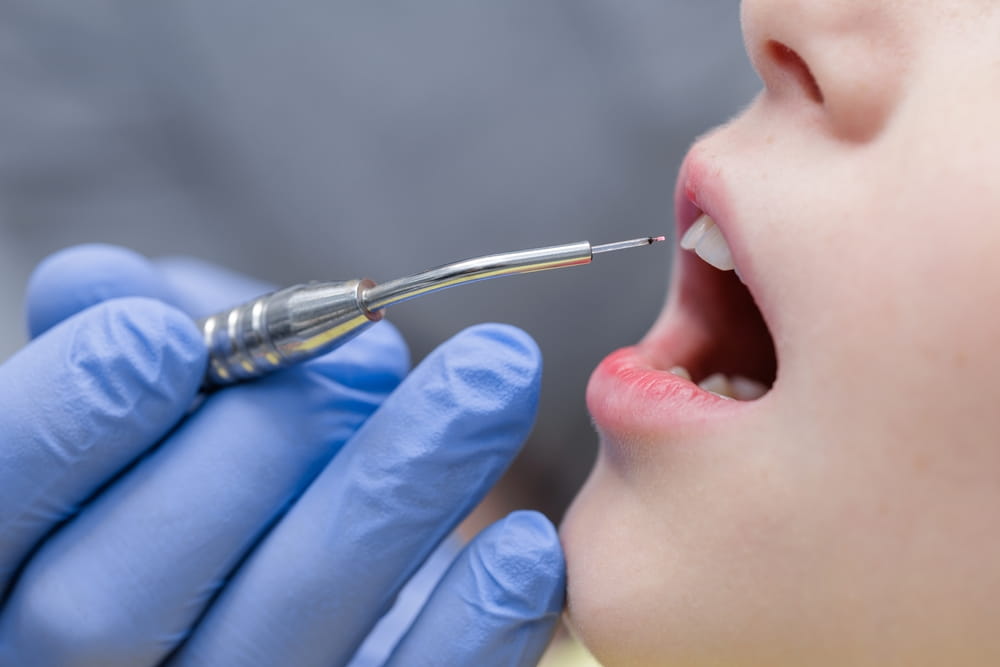
Many patients today are surprised by how much dental care has evolved over the past several years. Procedures that once required lengthy healing periods, multiple visits, or significant discomfort are often now completed more efficiently with improved comfort and shorter recovery times. Advancements in digital imaging, laser dentistry, restorative materials, and minimally invasive techniques continue transforming the patient experience across many areas of oral healthcare.
For residents throughout Wolfeboro, NH, Carroll County, and the greater Lake Winnipesaukee region, convenience and efficiency often matter when balancing healthcare with work, travel, family life, and seasonal activities. Back Bay Dental and Dr. Nicholas Ciancarelli are part of a broader movement toward modern dentistry that prioritizes precision, patient comfort, and streamlined treatment. While recovery needs vary depending on the procedure and individual patient, many modern dental technologies are specifically designed to support faster healing and reduced disruption to daily life.
Minimally Invasive Dentistry Preserves More Natural Tooth Structure
One of the biggest factors influencing recovery time is how much healthy tissue must be affected during treatment. Modern dentistry increasingly focuses on minimally invasive approaches that preserve as much natural tooth and gum structure as possible.
Advanced diagnostics allow dentists to identify problems earlier, often before they progress into more serious conditions requiring extensive treatment. Smaller areas of decay or damage may sometimes be treated with more conservative procedures, reducing stress on surrounding tissues and supporting quicker recovery.
Digital technologies such as 3D CBCT Dental Imaging help dentists evaluate oral structures with exceptional detail. Better imaging may improve treatment precision and reduce unnecessary intervention. When treatment is carefully planned and targeted, patients often experience less swelling, irritation, and post-procedure discomfort.
Preserving healthy tissue whenever possible remains one of the central goals of modern restorative and preventive dentistry.
Laser Dentistry and Reduced Healing Time
Laser dentistry has become one of the most significant innovations associated with patient comfort and recovery. Traditional dental instruments sometimes involve cutting, pressure, vibration, or sutures that may increase post-treatment discomfort. Laser systems may help minimize some of these effects depending on the procedure being performed.
Solea Laser Dentistry is one example of technology designed to support minimally invasive treatment. Dental lasers may be used for certain soft tissue and hard tissue procedures while potentially reducing bleeding, inflammation, and swelling.
Because lasers can often work with high precision, surrounding healthy tissue may experience less trauma during treatment. In some cases, this may reduce healing time and make recovery feel more manageable for patients. Some laser procedures may also reduce the need for sutures or extensive anesthesia depending on the specific treatment involved.
Many patients appreciate that laser dentistry often creates a quieter and less intimidating treatment environment compared to traditional drilling methods.
Same-Day Restorations Help Reduce Treatment Interruptions
Traditional dental restorations often required multiple visits and temporary restorations while patients waited for outside laboratories to fabricate crowns or other dental appliances. Modern digital dentistry has helped streamline this process significantly.
CEREC Crowns allow some restorations to be designed, milled, and placed during a single appointment. By reducing the number of visits and eliminating the need for temporary crowns, patients may experience fewer interruptions to normal routines and less overall treatment fatigue.
Temporary crowns occasionally become loose or uncomfortable while patients wait for permanent restorations. Same-day technology may help reduce these issues by completing treatment more efficiently. Digital scanning systems also replace many traditional impressions, which some patients find uncomfortable or inconvenient.
Modern restorative systems are often designed to improve precision and fit, which may help reduce the need for future adjustments after treatment.
Digital Technology Improves Precision and Predictability
Improved precision often contributes directly to smoother recoveries. When dental restorations fit properly and procedures are carefully planned, surrounding tissues may experience less irritation and stress during healing.
Technologies such as 3D Printing and advanced digital design systems help create highly customized restorations and treatment guides. These tools may improve consistency while helping dentists achieve more accurate results.
Digital treatment planning is particularly valuable for procedures involving implants, restorations, or complex bite alignment concerns. Enhanced visualization may reduce procedural surprises and support more predictable healing outcomes.
Modern materials used in Cosmetic & Restorative Dentistry are also designed for durability, comfort, and natural integration with surrounding teeth. Better-fitting restorations often feel more comfortable sooner after placement.
Better Communication Supports Better Recovery
Another way modern dentistry improves recovery involves patient education and communication. Digital images and scanning technology often help patients better understand their treatment plans and post-procedure instructions.
When patients clearly understand what to expect during recovery, they are often more prepared to manage temporary sensitivity or healing recommendations properly. Digital imaging allows dentists to visually explain oral conditions, helping patients feel more informed and involved in the treatment process.
Modern dental practices also frequently emphasize preventive care and early intervention, which may reduce the need for extensive procedures later. Routine evaluations through General Dentistry may help identify concerns before they progress into more complicated issues requiring longer recovery periods.
Ways Modern Dentistry May Support Faster Recovery
Many patients associate modern dental care with several recovery-related advantages, including:
- Smaller and more precise treatment areas
- Less invasive procedures
- Reduced bleeding and swelling
- Fewer appointments
- Faster restoration placement
- Improved diagnostic accuracy
- Better-fitting restorations
- More efficient healing support
While recovery experiences vary from patient to patient, these advancements continue improving the overall dental treatment experience for many individuals.
A More Comfortable Future for Dental Care
Modern dentistry continues evolving toward more patient-centered care focused on comfort, efficiency, and long-term oral wellness. Advances in imaging, laser technology, digital restorations, and minimally invasive techniques are helping reshape expectations surrounding dental treatment and recovery.
For many residents throughout Wolfeboro and the greater Lake Winnipesaukee region, these innovations make it easier to prioritize oral health without major disruptions to everyday life. Back Bay Dental remains part of the growing conversation surrounding how advanced dental technologies may continue improving comfort, healing, and patient experiences for years to come.
Resources
Coluzzi, D. J. (2008). Fundamentals of Dental Lasers: Science and Instruments. Dental Clinics of North America.
Fasbinder, D. J. (2010). Digital Dentistry: Innovation for Restorative Treatment. Compendium of Continuing Education in Dentistry.
Miyazaki, T., Hotta, Y., Kunii, J., Kuriyama, S., & Tamaki, Y. (2009). A Review of Dental CAD/CAM: Current Status and Future Perspectives. Journal of Prosthodontic Research.