
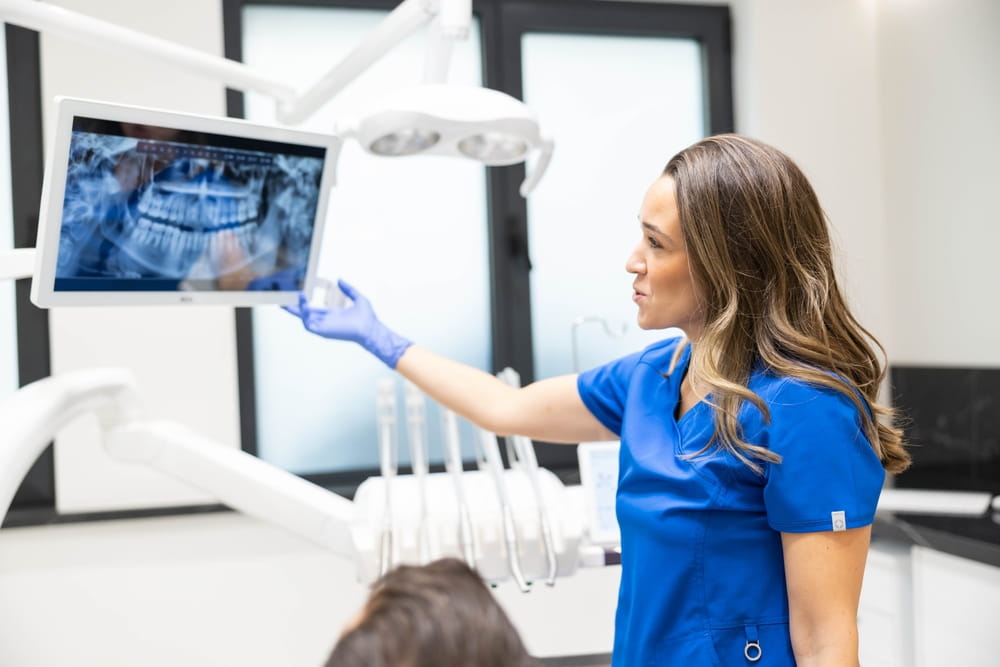
Many people still associate dental visits with uncomfortable impressions, lengthy procedures, and extended recovery times. However, advancements in dental technology have significantly changed the patient experience over the past several years. Modern tools and digital systems are helping improve precision, efficiency, communication, and overall comfort during many dental procedures.
For patients throughout Wolfeboro, NH, Carroll County, and the greater Lake Winnipesaukee region, convenience and comfort often play a major role in healthcare decisions. Back Bay Dental and Dr. Nicholas Ciancarelli are part of a growing movement toward digital dentistry and minimally invasive technology that prioritizes patient-centered care. While no dental procedure is entirely stress-free, newer technologies may help reduce discomfort, shorten appointments, and improve the overall treatment process for many individuals.
Digital Imaging Helps Improve Accuracy and Efficiency
One of the most important advancements in dentistry involves digital imaging technology. Traditional dental X-rays provided valuable information, but newer imaging systems offer more detailed and precise views of the teeth, gums, jawbone, and surrounding structures.
Technologies such as 3D CBCT Dental Imaging allow dentists to evaluate oral anatomy in three dimensions. This level of detail may improve treatment planning for procedures involving implants, root canals, oral surgery, and restorative dentistry. Better visualization often helps identify problems earlier and reduce surprises during treatment.
Digital imaging may also improve patient comfort by reducing the need for repeated X-rays or more invasive exploratory procedures. Many digital systems work quickly and expose patients to lower radiation levels compared to some older imaging technologies. Faster diagnostics may help appointments feel more efficient while allowing patients to better understand their oral health conditions through detailed visual explanations.
Laser Dentistry and Minimally Invasive Care
Laser technology has become increasingly common in modern dental practices because it may improve comfort during certain treatments. Traditional dental instruments sometimes involve vibration, pressure, or drilling sensations that many patients find unpleasant. Laser systems may help reduce some of these experiences depending on the procedure being performed.
Solea Laser Dentistry is one example of technology designed to support minimally invasive treatment approaches. Dental lasers may be used for certain soft tissue and hard tissue procedures while potentially reducing bleeding, swelling, and post-procedure discomfort.
Some patients also appreciate that laser dentistry may reduce the need for anesthesia in select situations. Additionally, lasers often create less vibration and noise compared to traditional dental drills, which may help lower anxiety levels for patients who feel nervous during dental visits.
As laser technology continues evolving, many patients are becoming more interested in treatment options that emphasize precision and comfort while preserving healthy tissue whenever possible.
Same-Day Restorations Reduce Multiple Visits
Traditional dental crowns once required multiple appointments spaced over several weeks. Patients often needed temporary crowns while waiting for an outside laboratory to fabricate the final restoration. Today, same-day crown technology has helped simplify that process considerably.
CEREC Crowns use digital scanning and computer-aided design systems to create custom ceramic restorations during a single appointment. Instead of traditional impression trays filled with molding material, patients typically undergo a digital scan that captures highly detailed images of the teeth.
Many patients find digital impressions more comfortable than traditional molds, especially individuals with sensitive gag reflexes. Same-day restorations may also reduce the inconvenience associated with temporary crowns, multiple injections, and repeated visits.
For busy residents of the Lake Winnipesaukee region, this combination of efficiency and convenience has become one of the most appreciated advancements in restorative dentistry.
Improved Precision May Lead to Better Comfort
Precision plays an important role in patient comfort before, during, and after dental procedures. Digital technology often allows dentists to diagnose conditions earlier and create more customized treatment plans based on highly detailed data.
For example, advanced systems used in Cosmetic & Restorative Dentistry may help ensure restorations fit more accurately and align naturally with the patient’s bite. Properly fitted restorations can reduce irritation, pressure points, and unnecessary adjustments following treatment.
Similarly, technologies such as 3D Printing help support highly customized dental appliances and restorations. Digital workflows may improve consistency while helping dental teams work more efficiently during procedures.
When treatments are carefully planned and precisely executed, patients often experience smoother recoveries and more predictable outcomes.
Technology May Help Reduce Dental Anxiety
Dental anxiety remains common among patients of all ages. Some individuals avoid routine care for years due to fear of discomfort, noise, needles, or previous negative experiences. Modern dental technology may help improve the emotional experience of dental visits in addition to physical comfort.
Quieter equipment, faster diagnostics, and shorter treatment times often contribute to a less stressful atmosphere. Digital scanning systems eliminate many uncomfortable impressions, while laser dentistry may reduce the sensations associated with traditional drilling.
Patients also tend to feel more informed when dentists can visually explain conditions using digital images and scans. Seeing clear images of the teeth and gums may help patients better understand treatment recommendations and feel more confident in the care process.
Common ways modern technology may support patient comfort include:
- Reduced treatment times
- Fewer appointments
- Less invasive procedures
- Digital impressions instead of molds
- More accurate diagnostics
- Improved restoration fit
- Quieter treatment experiences
- Enhanced patient communication
While technology does not eliminate every concern associated with dental treatment, many patients find modern procedures more manageable and less intimidating than older techniques.
Supporting Better Long-Term Dental Experiences
The goal of dental technology is not simply to make procedures faster or more advanced. Many innovations are designed specifically to improve patient experiences while supporting healthier long-term outcomes. Comfort, efficiency, and precision increasingly work together within modern dental care.
For residents throughout Wolfeboro and the greater Lake Winnipesaukee region, these advancements continue shaping expectations for what dentistry can feel like today. Back Bay Dental remains part of the ongoing evolution toward patient-focused care that emphasizes education, technology, and more comfortable treatment experiences across preventive, restorative, and cosmetic dentistry.
Resources
Fasbinder, D. J. (2010). Digital Dentistry: Innovation for Restorative Treatment. Compendium of Continuing Education in Dentistry.
Coluzzi, D. J. (2008). Fundamentals of Dental Lasers: Science and Instruments. Dental Clinics of North America.
Miyazaki, T., Hotta, Y., Kunii, J., Kuriyama, S., & Tamaki, Y. (2009). A Review of Dental CAD/CAM: Current Status and Future Perspectives. Journal of Prosthodontic Research.