
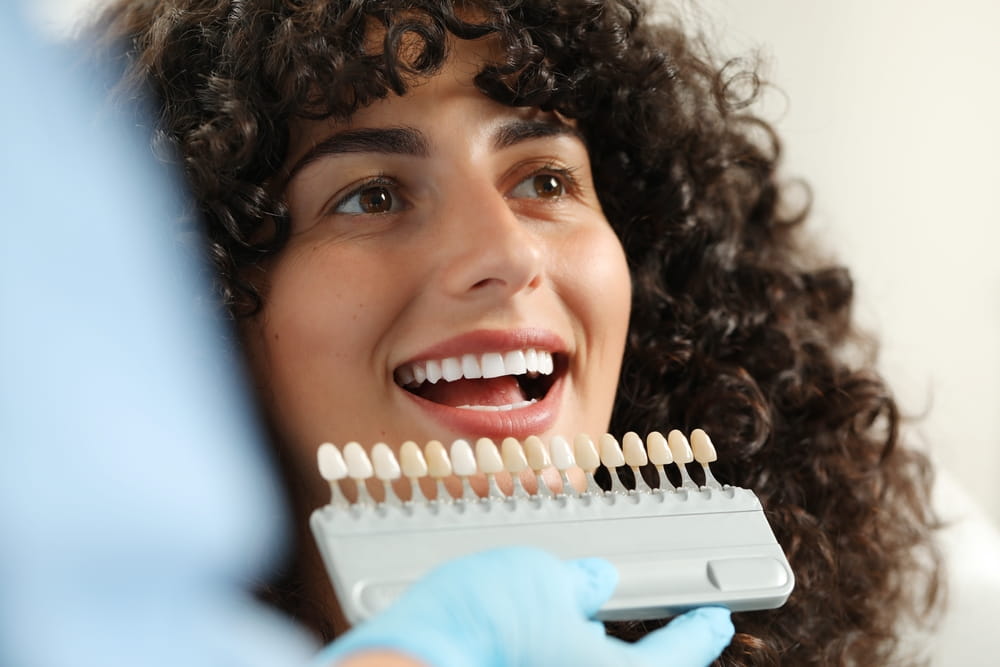
Cosmetic dentistry has become increasingly popular, yet many misconceptions still prevent people from exploring their options. At Back Bay Dental in Wolfeboro, NH, Dr. Nicholas Ciancarelli works with patients throughout Carroll County and the greater Lake Winnipesaukee region who are often surprised to learn how much cosmetic dentistry has evolved. Outdated assumptions about cost, discomfort, and purpose can create unnecessary hesitation. By separating myths from facts, patients can better understand how cosmetic dental care supports both appearance and overall oral health.
Cosmetic Dentistry Is Only About Appearance
One of the most common myths is that cosmetic dentistry serves purely aesthetic goals. While enhancing the look of a smile is certainly a central focus, cosmetic procedures often improve function and oral health as well. Correcting chipped, cracked, or uneven teeth can restore proper bite alignment and reduce uneven wear.
Services within Cosmetic & Restorative Dentistry frequently address structural issues alongside cosmetic concerns. For example, repairing damaged enamel not only improves appearance but also protects the tooth from further decay. Straightening or reshaping teeth can make them easier to clean, reducing plaque buildup and supporting long-term dental wellness. Cosmetic dentistry is often as practical as it is transformative.
Cosmetic Procedures Look Unnatural
Another widespread misconception is that cosmetic dental work results in overly bright, artificial-looking teeth. Modern cosmetic dentistry prioritizes natural aesthetics. Today’s materials are designed to mimic the translucency, texture, and color variations of natural enamel.
Technologies such as CEREC Crowns allow for precise digital design and shade matching in a single visit. Advanced ceramic materials blend seamlessly with surrounding teeth, making restorations virtually indistinguishable from natural structures. Cosmetic enhancements are tailored to complement facial features and personal preferences, ensuring that results appear balanced rather than exaggerated.
Cosmetic Dentistry Is Extremely Expensive
Cost concerns often deter individuals from considering cosmetic treatments. While some procedures represent an investment, many options are more accessible than patients assume. The cost varies depending on the complexity of treatment, materials used, and the number of teeth involved.
Additionally, certain cosmetic procedures overlap with restorative needs, meaning they may address both function and appearance simultaneously. For example, repairing a cracked tooth may be necessary for health reasons while also enhancing aesthetics. By viewing cosmetic dentistry as part of comprehensive oral care rather than a luxury, patients may better appreciate its value in preventing more extensive treatments later.
Cosmetic Dentistry Is Painful
Fear of discomfort remains a powerful myth surrounding cosmetic dentistry. Modern techniques emphasize patient comfort at every stage. Advances in anesthesia, digital planning, and minimally invasive tools have dramatically reduced discomfort associated with many procedures.
Innovations like Solea Laser Dentistry allow for certain treatments with less vibration and reduced need for traditional drills. Laser technology can minimize bleeding and promote faster healing in appropriate cases. Most cosmetic procedures involve little to no pain, and any mild sensitivity typically resolves quickly.
Whitening Damages Teeth
Teeth whitening is one of the most requested cosmetic treatments, yet some people avoid it due to fears of enamel damage. When performed under professional supervision and using approved products, whitening is considered safe and effective. Temporary sensitivity may occur, but this is generally short-lived.
Concerns often arise from over-the-counter misuse or excessive application. Professional evaluation ensures that whitening is appropriate for a patient’s dental condition. Existing restorations, gum health, and enamel thickness are all considered before recommending treatment. When used responsibly, whitening does not weaken or harm healthy enamel.
Cosmetic Dentistry Is Only for Younger Patients
Another myth suggests that cosmetic dental care is best suited for younger individuals. In reality, adults of all ages pursue cosmetic improvements. Teeth naturally discolor, wear down, or shift over time, making cosmetic options relevant at any stage of life.
For older adults, cosmetic procedures may coincide with restorative needs. Treatments such as Implant Restoration can replace missing teeth while restoring facial structure and confidence. Aligning aesthetics with functionality benefits patients across all age groups, reinforcing that cosmetic dentistry is not limited by age.
Crooked Teeth Require Metal Braces
Many people believe that correcting misalignment automatically means wearing traditional metal braces. However, modern orthodontic options offer discreet alternatives. Clear aligner systems, such as SureSmile Clear Aligners, gently reposition teeth using custom-designed trays.
These aligners are removable, making eating and oral hygiene easier compared to fixed brackets. They also allow adults and teens to pursue orthodontic treatment without the appearance concerns associated with metal braces. Straightening teeth not only enhances a smile but also improves bite function and oral hygiene accessibility.
Cosmetic Results Are Permanent Without Maintenance
Some individuals assume that once cosmetic work is completed, no further care is required. While high-quality materials are durable, ongoing maintenance is essential. Natural teeth continue to age, and habits such as grinding or consuming staining beverages can impact results over time.
Routine visits within General Dentistry support long-term success by monitoring restorations, cleaning surfaces, and addressing minor issues before they become larger problems. Maintaining good oral hygiene and following professional recommendations help extend the lifespan of cosmetic treatments.
Technology Hasn’t Changed Much
A final misconception is that cosmetic dentistry remains largely unchanged from decades past. In reality, technological innovation has transformed diagnosis, planning, and treatment precision. Tools like 3D CBCT Dental Imaging provide detailed visualization of teeth, roots, and bone structure, enhancing accuracy in both cosmetic and restorative planning.
Digital impressions, advanced ceramics, and computer-guided design allow for predictable outcomes and improved patient comfort. These technologies enable personalized treatment plans that align aesthetics with structural integrity, ensuring both beauty and durability.
Cosmetic dentistry continues to evolve, offering solutions that are safer, more natural-looking, and more functional than ever before. By debunking common myths, patients can approach treatment with realistic expectations and confidence. For individuals in Wolfeboro, NH, Carroll County, and the greater Lake Winnipesaukee region, Back Bay Dental and Dr. Nicholas Ciancarelli are dedicated to providing education that empowers informed decisions and supports long-term oral health.
Resources
American Academy of Cosmetic Dentistry. (2023). Cosmetic Dentistry FAQs. AACD.
Joiner, A. (2006). The bleaching of teeth: A review of the literature. Journal of Dentistry.
American Dental Association. (2022). Dental Restorative Materials: Clinical Considerations. ADA.