
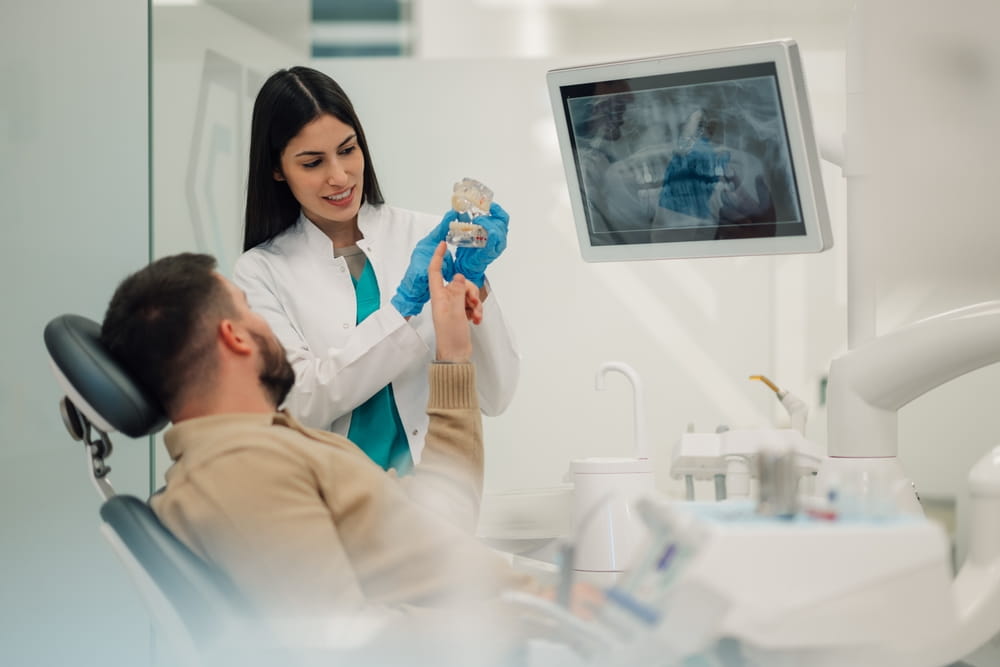
Dental implants have become one of the most trusted solutions for replacing missing teeth. They are designed to support long-term oral function, improve smile appearance, and help preserve jawbone structure. For many patients throughout Wolfeboro, Carroll County, and the greater Lake Winnipesaukee region, dental implants offer an alternative to removable dentures or traditional bridges.
Because implants involve both surgical and restorative components, patients often benefit from asking detailed questions before beginning treatment. Understanding the process, technology involved, healing expectations, and long-term maintenance can help individuals feel more informed and confident when evaluating their options.
Back Bay Dental and Dr. Nicholas Ciancarelli recognize that patients should fully understand implant treatment before making a decision. Every patient has unique oral health needs, medical considerations, and long-term goals. Asking the right questions early in the process may help patients better evaluate whether dental implants are the right fit for their situation.
Am I a Good Candidate for Dental Implants?
One of the first and most important questions patients should ask is whether they are a suitable candidate for implants. While dental implants can be highly successful, not every patient automatically qualifies without additional evaluation or treatment.
Several factors may influence implant candidacy, including overall health, gum condition, bone density, tobacco use, and oral hygiene habits. Healthy gum tissue and adequate jawbone support are especially important because implants rely on strong bone integration for long-term stability.
Patients with gum disease, bone loss, or chronic medical conditions may still qualify for implants, but additional procedures or treatment planning may be necessary. Advanced imaging technologies such as 3D CBCT Dental Imaging allow dentists to evaluate bone structure and oral anatomy with greater precision during the consultation process.
Patients may also benefit from learning how periodontal health affects implant success. Services such as Periodontal Medicine can play an important role in supporting healthy tissues before and after implant placement.
What Does the Implant Process Involve?
Many patients are unfamiliar with the full dental implant process before beginning treatment. Asking detailed questions about each stage may help reduce uncertainty and improve overall preparedness.
Dental implant treatment usually occurs in multiple phases. First, the implant post is surgically placed into the jawbone. Over time, the implant integrates with the surrounding bone through a process called osseointegration. After healing, the final restoration, such as a crown, bridge, or denture attachment, is placed.
Patients should ask about:
- The number of appointments involved
- Expected healing time
- Whether bone grafting may be needed
- The type of restoration being used
- Temporary tooth replacement options during healing
- Sedation or comfort measures available
- Recovery expectations after surgery
The timeline can vary significantly depending on the patient’s oral health and the complexity of treatment. Some individuals may complete treatment in several months, while others may require additional preparatory procedures before implant placement.
Modern technology can help streamline portions of the process. Services such as 3D Printing and digital treatment planning may improve precision and efficiency during implant procedures.
How Long Do Dental Implants Typically Last?
Dental implants are often promoted as a long-term solution for tooth replacement, but patients should understand what contributes to their longevity. Asking about long-term expectations can help individuals better understand the importance of ongoing maintenance and oral hygiene.
Implants themselves can potentially last for decades when properly maintained. However, long-term success depends on several factors, including gum health, bite forces, oral hygiene habits, and regular dental care. Smoking, untreated gum disease, and poor oral hygiene may increase the risk of implant complications over time.
Patients should also ask about the expected lifespan of the restoration attached to the implant. While the implant post may remain stable for many years, crowns or prosthetic components may eventually require maintenance or replacement due to normal wear.
Services involving Implant Restoration are important for maintaining both function and appearance after implant placement. Routine dental visits help monitor the health of surrounding tissues and ensure the implant continues functioning properly.
What Are the Risks and Potential Complications?
Every dental procedure involves some level of risk, and patients should feel comfortable discussing possible complications before proceeding with treatment. Understanding risks does not mean implants are unsafe; rather, informed patients are often better prepared to make confident decisions.
Potential implant-related complications may include infection, delayed healing, implant failure, nerve irritation, sinus complications in upper jaw cases, or bone integration problems. While many implant procedures are highly successful, outcomes can vary based on individual health factors and healing responses.
Patients should ask how complications are managed if they occur and what steps can help reduce risks before surgery. Factors such as maintaining healthy gums, following post-operative instructions carefully, and attending follow-up visits all contribute to successful healing.
Comfort-focused technologies may also help improve the patient experience during certain procedures. Services such as Solea Laser Dentistry may support soft tissue treatment with greater precision and potentially reduced discomfort in some cases.
How Will Dental Implants Affect Daily Life?
Patients often focus heavily on the surgical process itself but may overlook how implants affect long-term daily function. Asking practical lifestyle questions can help patients understand what to expect after treatment is complete.
Dental implants are designed to function similarly to natural teeth. Many patients appreciate improved chewing ability, speech stability, and confidence compared to removable appliances. Implants may also help maintain jawbone structure by stimulating the bone similarly to natural tooth roots.
Patients considering implants should ask about dietary restrictions during healing, long-term cleaning requirements, and how implants compare to other replacement options. They may also want to understand whether additional cosmetic or restorative treatments could complement their implant care.
Procedures involving Cosmetic & Restorative Dentistry and General Dentistry often work alongside implant treatment to support overall oral health and smile aesthetics.
Making Informed Decisions About Tooth Replacement
Choosing dental implants is an important investment in both oral function and long-term oral health. Asking detailed questions before treatment allows patients to better understand the process, evaluate their options, and prepare for successful outcomes.
Back Bay Dental and Dr. Nicholas Ciancarelli recognize the importance of patient education throughout every stage of dental care. Patients throughout Wolfeboro and the Lake Winnipesaukee region often benefit from learning how implant treatment works, what technologies are involved, and how preventive care supports long-term success.
As implant dentistry continues to advance, modern imaging, digital planning, and restorative technology are helping improve both precision and patient experience. By asking thoughtful questions and staying informed, patients can make decisions that support healthier, more confident smiles for years to come.
Resources
Misch, C. E. (2014). Dental Implant Prosthetics. Elsevier.
American Academy of Implant Dentistry. (2023). Dental Implant Frequently Asked Questions. American Academy of Implant Dentistry.
Esposito, M., Grusovin, M. G., & Worthington, H. V. (2013). Interventions for Replacing Missing Teeth: Dental Implants in Fresh Extraction Sockets. Cochrane Database of Systematic Reviews.