
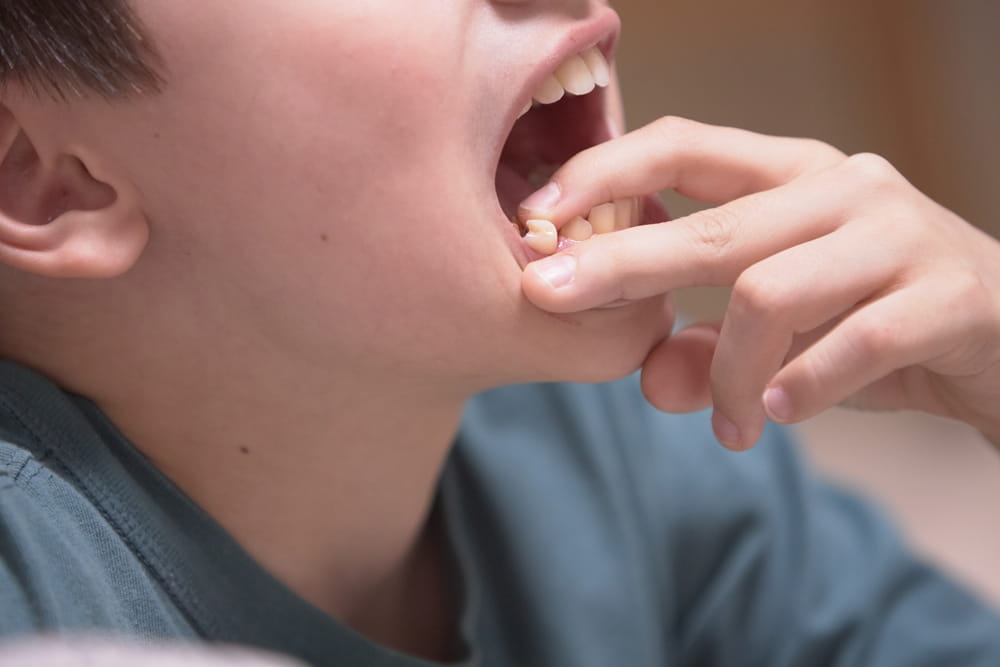
A broken tooth can happen in an instant—whether from biting down on something hard, a sports injury, or an unexpected fall. The sudden discomfort and visible damage can be alarming, especially if you are unsure what to do next. At Back Bay Dental in Wolfeboro, NH, Dr. Nicholas Ciancarelli helps patients throughout Carroll County and the greater Lake Winnipesaukee region understand how to respond quickly and protect their oral health. Taking the right steps immediately after a tooth breaks can reduce pain, prevent infection, and improve the chances of preserving as much natural tooth structure as possible.
Understanding the Types of Tooth Fractures
Not all broken teeth are the same. A minor chip may affect only the enamel, the hard outer layer of the tooth, while more serious fractures can extend into the dentin or even the pulp, where nerves and blood vessels are located. The severity of the break determines the level of discomfort and the type of treatment required.
Hairline cracks may not cause immediate pain but can worsen over time if left untreated. Larger fractures often produce sensitivity to hot or cold foods, discomfort when biting, or sharp edges that irritate the tongue and cheeks. In severe cases, the inner pulp becomes exposed, leading to inflammation or infection. Recognizing that even small cracks deserve professional evaluation is essential to preventing further complications.
Immediate Steps to Take After a Tooth Breaks
If you break a tooth, start by rinsing your mouth gently with warm water to remove debris and keep the area clean. If there is bleeding, apply light pressure with sterile gauze until it stops. A cold compress placed on the outside of your cheek can help reduce swelling and ease discomfort.
Try to save any broken fragments if possible and bring them to your dental appointment. Avoid chewing on the affected side of your mouth, and steer clear of very hot, cold, or hard foods that could increase sensitivity. Over-the-counter pain relievers may offer temporary relief, but they do not address the underlying structural damage. Seeking prompt evaluation ensures the tooth can be properly stabilized and protected.
When a Broken Tooth Is a Dental Emergency
Some fractures require immediate attention. If the break is accompanied by severe pain, significant swelling, or visible pulp exposure, it should be treated as a dental emergency. A fracture that extends below the gumline or involves trauma to the jaw also demands urgent care.
Advanced imaging tools such as 3D CBCT Dental Imaging can provide detailed views of the tooth’s internal structure and surrounding bone. This technology helps identify hidden cracks or root damage that may not be visible during a standard exam. Early diagnosis plays a critical role in determining whether the tooth can be preserved or if more extensive treatment is necessary.
Treatment Options for a Broken Tooth
Treatment depends on the extent of the damage. Minor chips may be smoothed or repaired with bonding materials that blend naturally with surrounding teeth. When a larger portion of the tooth is compromised, restorative care within Cosmetic & Restorative Dentistry can rebuild both appearance and function.
For more significant fractures, CEREC Crowns may be recommended to cover and protect the remaining tooth structure. Crowns restore strength, improve bite alignment, and shield the tooth from further damage. In cases where the inner pulp is affected, additional treatment may be necessary to remove infection and preserve the surrounding tissues.
What Happens If the Tooth Cannot Be Saved?
In some instances, a tooth may be fractured beyond repair. Severe vertical cracks or extensive root damage can make restoration impossible. When extraction becomes necessary, planning for replacement helps maintain proper bite balance and prevent neighboring teeth from shifting.
Procedures such as Oral Surgery may be required to remove a severely damaged tooth safely. Replacement options, including Implant Restoration, can restore stability, chewing function, and appearance. Addressing tooth loss promptly helps protect jawbone health and maintain facial structure.
Managing Sensitivity and Pain During Recovery
After treatment, mild sensitivity is common as the tooth and surrounding tissues heal. Avoiding extremely hot or cold foods for a few days can reduce discomfort. Maintaining gentle but thorough oral hygiene supports healing and prevents bacterial buildup around the treated area.
If pain persists or worsens after treatment, it is important to seek evaluation. Lingering discomfort may indicate bite imbalance or underlying inflammation that needs adjustment. Clear communication about symptoms ensures proper follow-up care and long-term comfort.
Preventing Future Tooth Fractures
While not all broken teeth can be prevented, certain habits reduce risk. Wearing a custom mouthguard during sports protects against impact injuries. Avoiding chewing ice, hard candies, or non-food objects prevents unnecessary stress on enamel. If you grind your teeth at night, using a nightguard can reduce pressure that contributes to cracks.
Routine visits through General Dentistry allow early detection of weakened fillings, worn enamel, or small fractures before they worsen. Regular checkups and professional cleanings strengthen overall oral health and decrease the likelihood of unexpected emergencies.
A broken tooth can be painful and stressful, but prompt action and appropriate care make a significant difference in outcomes. Whether the damage is minor or severe, understanding your options helps protect your smile and overall well-being. For individuals in Wolfeboro, NH, Carroll County, and the greater Lake Winnipesaukee region, Back Bay Dental and Dr. Nicholas Ciancarelli remain committed to providing education and guidance for managing dental injuries effectively.
Resources
American Dental Association. (2023). Cracked Teeth. ADA.
Cameron, C. E. (1964). The cracked tooth syndrome. Journal of the American Dental Association.
National Institute of Dental and Craniofacial Research. (2022). Tooth Decay and Dental Injuries. NIDCR.