
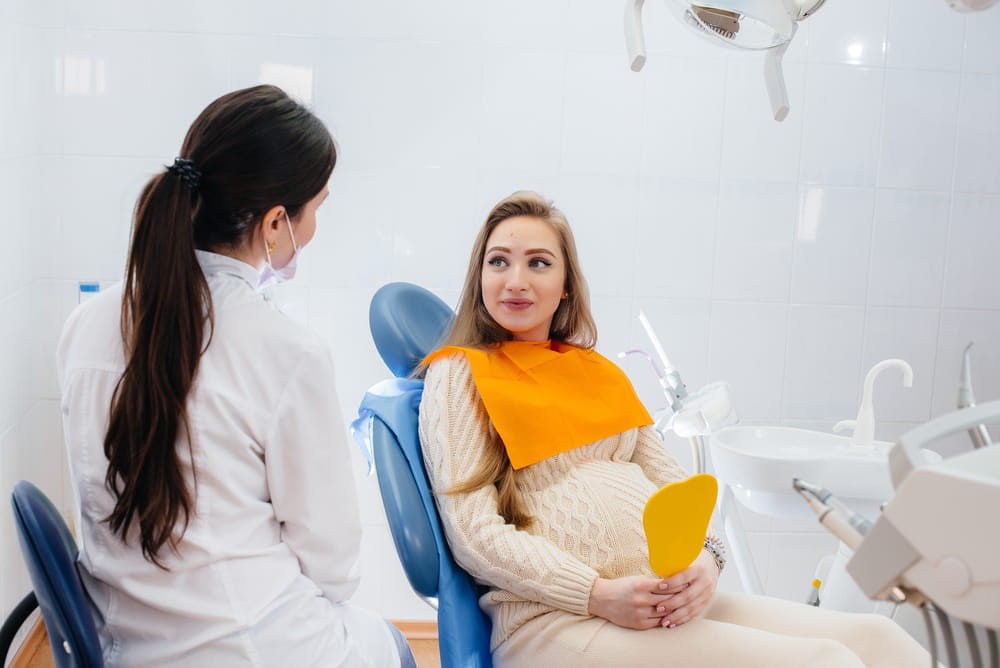
At Back Bay Dental, patients across Wolfeboro, NH and the greater Lake Winnipesaukee region often ask how pregnancy can affect their oral health. Pregnancy brings significant hormonal and physical changes that can influence the teeth and gums in ways many people don’t expect. Understanding these changes helps expectant mothers protect their own health while also supporting the development of their baby.
How Pregnancy Hormones Affect Oral Health
Increased Sensitivity in the Gums
Pregnancy hormones, particularly estrogen and progesterone, increase blood flow to gum tissue. This can make gums more sensitive, swollen, or prone to bleeding, especially during brushing and flossing. Even individuals with a history of good oral health may notice new symptoms during pregnancy.
These hormonal shifts can also change how the body responds to plaque. Bacteria that were once manageable may trigger inflammation more easily, increasing the risk of gingivitis. Maintaining consistent oral hygiene routines becomes especially important during this time.
Pregnancy Gingivitis and Periodontal Health
Why Gum Health Matters During Pregnancy
Pregnancy gingivitis is common and often appears as redness, tenderness, and bleeding along the gumline. If left unaddressed, it may progress into more advanced periodontal concerns. Research has shown associations between periodontal disease and pregnancy complications, making gum health a key part of prenatal wellness.
Professional monitoring and education around Periodontal Medicine can help patients understand how inflammation in the mouth may affect the rest of the body. Addressing gum health early supports both maternal and fetal well-being.
Morning Sickness, Diet, and Tooth Enamel
Protecting Teeth from Acid Exposure
Morning sickness and acid reflux can expose teeth to stomach acids, which weaken enamel over time. Brushing immediately after vomiting may worsen enamel erosion, so rinsing with water or a baking soda solution is usually recommended first.
Dietary cravings and frequent snacking can also increase cavity risk. Choosing nutrient-dense foods and limiting sugary or acidic snacks helps reduce bacterial growth while supporting overall health for both mother and baby.
Safe Dental Care During Pregnancy
What Treatments Are Considered Appropriate
Routine dental exams and cleanings are generally safe and encouraged throughout pregnancy. Preventive care helps identify issues early, before they become more complex. Imaging and certain treatments may be recommended with appropriate precautions, such as shielding during X-rays when necessary.
Advances like 3D CBCT Dental Imaging allow for detailed diagnostics with enhanced precision. When restorative needs arise, conservative approaches within General Dentistry focus on maintaining comfort and safety.
Managing Dental Discomfort During Pregnancy
Conservative and Modern Treatment Options
Pregnancy does not prevent patients from addressing dental discomfort or infections. Untreated oral pain or infection can create additional stress and health risks. Care providers often collaborate with medical professionals to ensure appropriate timing and treatment selection.
Technologies such as Solea Laser Dentistry can reduce the need for anesthesia and minimize discomfort, making certain procedures more comfortable for expectant mothers when treatment is necessary.
Daily Oral Care Tips for Expectant Mothers
Practical Habits That Make a Difference
Maintaining consistent home care is essential throughout pregnancy. Small daily habits can significantly reduce the risk of dental complications and improve comfort as hormonal changes continue.
Helpful daily practices may include:
- Brushing twice daily with fluoride toothpaste
- Flossing gently once a day to reduce plaque buildup
- Rinsing with water after episodes of morning sickness
- Drinking plenty of water to combat dry mouth
- Scheduling regular dental checkups for monitoring and guidance
Supporting Long-Term Oral Health for Mother and Child
Building Healthy Habits That Last
Oral health during pregnancy doesn’t just affect the mother; it can influence a child’s future dental health as well. Establishing strong oral care routines sets the stage for healthy habits after birth and reduces the risk of passing harmful bacteria to infants.
At Back Bay Dental, education plays an important role in helping patients throughout Carroll County and the greater Lake Winnipesaukee region feel confident about their oral health during pregnancy. With awareness, prevention, and appropriate care, expectant mothers can protect their smiles while supporting a healthy start for their growing families.
Sources:
American Dental Association. (2023). Pregnancy and Oral Health. Journal of the American Dental Association.
Centers for Disease Control and Prevention. (2022). Oral Health Care During Pregnancy. CDC Publications.
Silk, H., Douglass, A. B., Douglass, J. M., & Silk, L. (2008). Oral Health During Pregnancy. American Family Physician.