
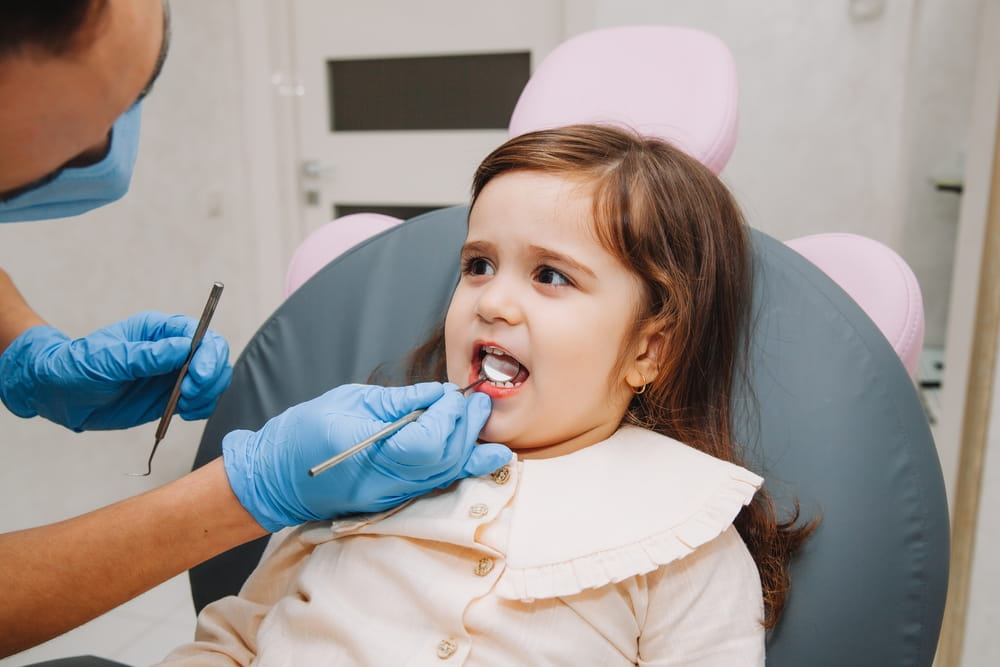
Back Bay Dental is proud to serve families throughout Wolfeboro, NH, Carroll County, and the greater Great Lakes and Lake Winnipesaukee region, and caring for children’s oral health is a topic that matters to every parent. A child’s smile develops rapidly from infancy through adolescence, and the habits formed early can influence oral health for a lifetime. Understanding how to protect baby teeth, guide proper hygiene, and recognize potential concerns helps parents make informed decisions that support confident, healthy smiles.
Why Baby Teeth Matter More Than You Think
Primary teeth may be temporary, but they play a critical role in a child’s overall development. Baby teeth help children chew properly, speak clearly, and maintain space for permanent teeth. When these teeth are lost too early due to decay or injury, neighboring teeth can shift, increasing the risk of crowding or alignment problems later in life. Early tooth loss can also affect nutrition if a child avoids certain foods because of discomfort.
Another important aspect of baby teeth is their influence on oral habits and dental comfort. Positive early experiences with brushing, flossing, and routine checkups help children feel at ease with dental care as they grow. Pediatric preventive care often falls under the umbrella of General Dentistry, which focuses on maintaining healthy teeth and gums through regular evaluations, cleanings, and early intervention when issues arise.
Building Healthy Daily Oral Hygiene Habits
Age-Appropriate Brushing and Flossing
Daily oral hygiene should begin even before the first tooth appears. Gently wiping an infant’s gums with a clean, damp cloth helps reduce bacteria and gets babies accustomed to oral care. Once teeth emerge, brushing twice daily with a soft-bristled toothbrush and a smear of fluoride toothpaste is recommended. As children grow, parents can gradually increase toothpaste amounts and encourage independent brushing while still supervising for proper technique.
Flossing becomes essential once teeth begin to touch, usually between ages two and six. Introducing floss early helps remove plaque from areas a toothbrush can’t reach and reinforces the importance of thorough cleaning. Consistency is key, as daily routines reinforce lifelong habits that protect against cavities and gum disease.
Nutrition’s Role in Protecting Young Smiles
What children eat and drink directly affects their oral health. Frequent exposure to sugary snacks, juices, and sports drinks feeds bacteria that produce acids, leading to tooth decay. Encouraging water between meals and limiting sugary treats can significantly reduce cavity risk. Calcium-rich foods like dairy products, leafy greens, and fortified alternatives help strengthen developing teeth and bones.
Parents can also promote tooth-friendly snacks that support oral health while meeting nutritional needs. Examples include:
- Fresh fruits and vegetables like apples and carrots
- Cheese and yogurt for calcium and protein
- Nuts and seeds for minerals
- Whole grains that require chewing and stimulate saliva flow
Teaching children how food choices affect their teeth empowers them to make healthier decisions as they mature.
Preventive Care and Early Orthodontic Awareness
Regular dental visits allow providers to monitor growth, detect early signs of decay, and address habits such as thumb sucking or teeth grinding. Preventive strategies may include fluoride treatments, sealants, and guidance on injury prevention during sports. Advances in diagnostic tools like 3D CBCT Dental Imaging can also help identify developmental concerns early, supporting proactive care.
As permanent teeth begin to emerge, orthodontic evaluations become increasingly relevant. Early assessments can reveal spacing or alignment issues that may benefit from future orthodontic planning. Options such as SureSmile Clear Aligners are often discussed later in adolescence, but early awareness helps parents understand the timeline and importance of proper alignment for long-term oral health.
Caring for your child’s teeth is an ongoing journey that evolves with each stage of development. From protecting baby teeth to guiding healthy habits and recognizing changes as permanent teeth arrive, informed parents play a vital role in shaping lifelong oral health. Back Bay Dental remains committed to supporting families across the Lake Winnipesaukee region with trusted education and resources, helping children grow into adulthood with strong, confident smiles.
Sources:
American Academy of Pediatric Dentistry. (2023). Guideline on Infant Oral Health Care. Pediatric Dentistry.
Centers for Disease Control and Prevention. (2022). Children’s Oral Health. CDC Oral Health Division.
Touger-Decker, R., & van Loveren, C. (2003). Sugars and Dental Caries. American Journal of Clinical Nutrition.