
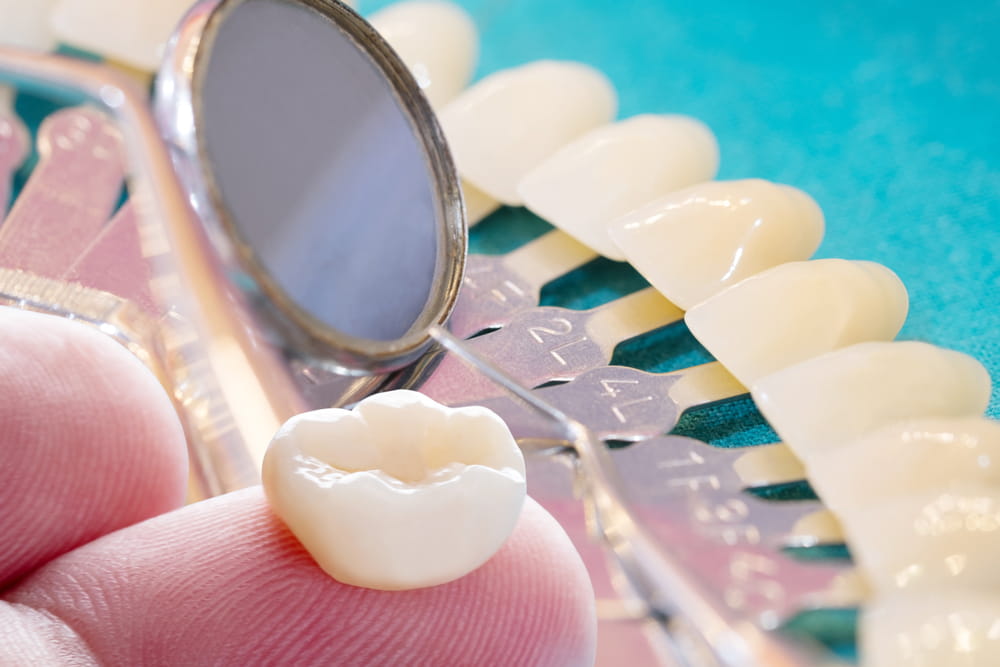
Why Dental Crowns May Eventually Need Replacement
Dental crowns are designed to protect and restore teeth that have been weakened by decay, fractures, large fillings, root canal treatment, or other forms of damage. A crown covers the visible portion of the tooth, helping restore its shape, strength, appearance, and ability to function during chewing. At Back Bay Dental, patients in Wolfeboro, Carroll County, and throughout the greater Lake Winnipesaukee region can benefit from understanding how crowns change over time and what signs may indicate that one needs attention.
Although dental crowns are made from durable materials, they are not necessarily permanent. Years of biting and chewing expose a crown to significant forces. Teeth grinding, clenching, oral hygiene habits, dietary choices, injuries, and changes to the underlying tooth can also affect how long a restoration remains functional. Rather than relying on a specific number of years, dentists generally consider the condition of the crown, tooth, gums, and bite when determining whether replacement may be appropriate.
Pain or Sensitivity Around a Crown Deserves Attention
A crowned tooth should generally feel comfortable during normal daily activities. New or increasing sensitivity to hot, cold, sweet foods, or biting pressure can therefore be a reason to schedule a dental evaluation. Sensitivity does not automatically mean the crown needs replacement, but it may indicate a problem involving the restoration or underlying tooth.
For example, a crown may no longer fit as securely as it once did, or decay may have developed near its margins. Cracks in the tooth or restoration can also produce discomfort when biting. In some cases, symptoms originate from the tooth’s nerve rather than the crown itself. A general dentistry evaluation can help identify the source of the discomfort and determine whether the existing restoration can remain in place.
Persistent or severe dental pain should not be ignored. Early evaluation may allow a problem to be addressed before additional portions of the tooth become damaged.
Visible Cracks, Chips, or Wear Can Signal a Problem
Dental crowns regularly withstand the forces created by biting and chewing. Over time, their surfaces may show signs of wear, particularly in patients who grind or clench their teeth. A crown may also become chipped or cracked after biting something unusually hard or experiencing an injury.
Small surface changes do not always mean that an entire crown needs to be replaced. The location and extent of the damage, crown material, condition of the underlying tooth, and patient’s bite all influence the appropriate response. More substantial fractures may compromise the crown’s ability to protect the tooth and can create areas where plaque and bacteria accumulate.
Regular dental examinations allow restorations to be inspected even when patients have not noticed obvious symptoms. Identifying wear early can be particularly important for someone with multiple crowns or other cosmetic and restorative dentistry treatments.
A Loose Crown Should Be Evaluated Promptly
A dental crown should feel stable. If it begins moving, rocking, or feeling different while chewing, something may have changed in the connection between the crown and tooth. Dental cement can deteriorate, the underlying tooth structure may change, or decay may compromise the foundation supporting the restoration.
Patients should avoid repeatedly pushing or pulling on a loose crown. Continued chewing on it may increase the chance that the restoration will come off completely or that the remaining tooth structure will become damaged. Until the tooth can be evaluated, avoiding hard or sticky foods on that side of the mouth may reduce additional stress.
A crown that comes off should also be kept rather than discarded. Whether it can be recemented depends on its condition and the health and structure of the underlying tooth. In other situations, a new restoration may be necessary.
Decay Can Develop Under or Around a Crown
A common misconception is that a crowned tooth can no longer develop decay. While the restorative material itself cannot develop a cavity, natural tooth structure remains underneath the crown. The area where the crown meets the tooth can be particularly important because plaque can accumulate around this margin.
Consistent brushing and cleaning between the teeth help reduce plaque accumulation around crowns. Professional cleanings and examinations provide another opportunity to monitor crown margins and surrounding tissues. If decay develops beneath a restoration, the crown may need to be removed so the underlying tooth can be evaluated and treated.
Gum health matters as well. The mouth is the gateway to the body, and maintaining healthy tissues around natural teeth and restorations is an important component of overall oral wellness. Periodontal medicine emphasizes the importance of paying attention to the gums and other supporting tissues rather than considering individual teeth in isolation.
Changes in Your Bite May Indicate Crown Wear
Your teeth are designed to come together in a coordinated relationship. A crown is shaped to function within that bite, but changes can occur over time. Teeth may shift, restorations may wear, or the crown itself may become damaged. Patients sometimes notice that a crowned tooth suddenly feels higher, lower, or different when they close their mouths.
An uneven bite can place excessive force on a tooth or restoration. Over time, this may contribute to discomfort, additional wear, or damage. Patients who grind their teeth may be particularly susceptible to these changes because repeated forces can affect both natural enamel and restorative materials.
Bite changes can have several possible causes, so they should be professionally evaluated rather than assumed to mean that a crown automatically needs replacement. The dentist can examine how the teeth contact and assess the condition of the restoration.
Appearance Can Also Change Over Time
Some crowns are located in highly visible areas of the smile. Even when a restoration remains structurally functional, changes in the surrounding teeth or gums can alter its appearance. Natural teeth may become darker or lighter over the years, while the color of a crown generally remains relatively stable. This can create a noticeable difference between the restoration and neighboring teeth.
Gum recession can also expose the edge of a crown or portions of the tooth that were previously covered by gum tissue. Depending on the location and severity of the change, patients may discuss whether replacing the restoration would improve its appearance or fit.
Cosmetic concerns do not always mean replacement is medically necessary. A dental examination can help distinguish between a restoration that is simply showing its age and one that has developed a functional or structural problem.
Routine Dental Visits Help Protect Crowned Teeth
There is no single symptom that tells every patient exactly when a crown needs replacement. Some crowns remain functional for many years, while others require earlier attention because of decay, fractures, grinding, injuries, or changes to the underlying tooth. Regular examinations provide an opportunity to monitor these restorations before noticeable problems develop.
Patients should seek evaluation when a crown becomes loose, painful, sensitive, cracked, chipped, or noticeably different during chewing. Maintaining good oral hygiene and addressing symptoms early may also help protect the natural tooth underneath the restoration.
Back Bay Dental and Dr. Nicholas Ciancarelli serve patients in Wolfeboro, Carroll County, and communities throughout the greater Lake Winnipesaukee region. Understanding the warning signs associated with aging dental crowns can help patients seek appropriate evaluation and make informed decisions about maintaining comfortable, functional, and healthy smiles.
Resources
American Dental Association. (n.d.). Crowns. MouthHealthy.
American College of Prosthodontists. (n.d.). Dental Crowns. American College of Prosthodontists.
Donovan, T., & Cho, G. C. (1999). Predictable Aesthetics with Metal-Ceramic and All-Ceramic Crowns: The Critical Importance of Soft-Tissue Management. Periodontology 2000, 27, 121–130.