
The Connection Between Stress and Your Mouth
Stress is a normal response to demanding situations, but when it becomes frequent or prolonged, its effects may extend beyond mood and energy levels. Stress can influence sleep, eating habits, muscle tension, immune responses, and everyday routines. These changes can also affect the mouth. At Back Bay Dental, patients in Wolfeboro, Carroll County, and the greater Lake Winnipesaukee region can benefit from understanding how emotional and physical stress may influence long-term oral health.
The relationship between stress and oral health is often indirect. Stress itself does not automatically cause cavities or gum disease, but it may contribute to behaviors and physical responses that make dental problems more likely. Teeth grinding, jaw clenching, changes in diet, dry mouth, and inconsistent brushing or flossing can become more common during demanding periods. Recognizing these patterns can help patients take steps to protect their teeth and gums.
Teeth Grinding and Jaw Clenching May Increase
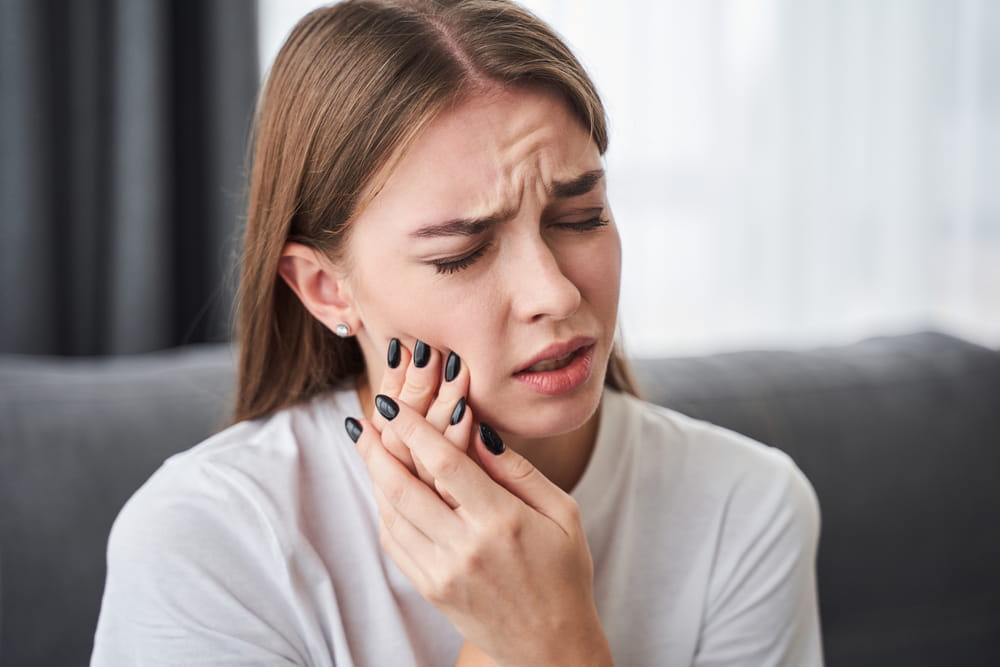
One of the most familiar oral effects associated with stress is bruxism, which involves grinding or clenching the teeth. Some people clench their jaws while concentrating or responding to stressful situations during the day. Others grind their teeth while sleeping and may not realize it is happening until a dental professional identifies signs of wear.
Repeated grinding or clenching places additional pressure on the teeth and jaw muscles. Over time, patients may experience worn enamel, tooth sensitivity, chipped or cracked teeth, headaches, facial soreness, or jaw discomfort. Existing dental restorations can also be exposed to excessive forces.
Patients who regularly wake with jaw soreness, headaches, or sensitive teeth should discuss these symptoms during a general dentistry evaluation. A dental professional can examine the teeth for patterns of wear and consider whether bruxism or another dental condition may be contributing to the symptoms.
Stress Can Affect the Health of Your Gums
Gum health is influenced by many factors, including oral hygiene, plaque accumulation, tobacco use, certain health conditions, genetics, medications, and other individual circumstances. Stress may also play a role. Research has explored associations between psychological stress and periodontal disease, although the relationship is complex and should not be viewed as a simple cause-and-effect connection.
One possible explanation involves the body’s physiological response to chronic stress. Prolonged stress can influence inflammatory and immune processes, potentially affecting how the body responds to bacteria and inflammation. At the same time, people experiencing significant stress may be less consistent with brushing, flossing, dental appointments, and other preventive habits.
These connections reinforce an important principle of periodontal medicine: the mouth is the gateway to the body. Oral health does not exist entirely separately from overall health. Caring for the gums and supporting structures of the teeth is an important part of maintaining a healthy mouth, particularly during periods when other aspects of wellness may be under additional strain.
Daily Habits May Change During Stressful Periods
Stress can change routines in subtle ways. Someone working long hours, caring for family members, traveling frequently, or dealing with a difficult life event may begin skipping nighttime brushing or flossing because they are exhausted. Small changes may not seem significant at first, but oral health problems can develop when these habits continue.
Dietary choices can also change. Some people consume more sugary snacks, acidic beverages, or frequent convenience foods when they feel stressed. Frequent exposure to sugars gives cavity-causing bacteria more opportunities to produce acids that attack tooth enamel. Acidic drinks can also contribute to enamel erosion when consumed frequently.
Stress may additionally affect habits such as smoking, alcohol consumption, or frequent snacking. Rather than focusing on perfection during demanding periods, patients can benefit from maintaining a few dependable routines. Brushing twice daily with fluoride toothpaste, cleaning between the teeth, drinking water, and keeping routine dental appointments can provide an important foundation.
Dry Mouth Can Create Additional Dental Concerns
Some people notice that their mouths feel unusually dry during stressful situations. Temporary dry mouth may occur because of nervousness, changes in breathing patterns, dehydration, or other factors. Certain medications used for various health conditions may also contribute to reduced saliva production.
Saliva plays an important protective role in oral health. It helps wash away food particles, supports the neutralization of acids, and provides minerals involved in protecting tooth enamel. When saliva production remains reduced, the risk of cavities and oral discomfort may increase.
Persistent dry mouth should not automatically be attributed to stress. Medication side effects, dehydration, medical conditions, and other factors may be responsible. A dental or healthcare professional can help determine possible causes and recommend appropriate management based on the individual’s circumstances.
Recognizing Warning Signs in Your Smile
Because stress-related oral changes may develop gradually, paying attention to new symptoms can be helpful. Jaw tightness, morning headaches, increased tooth sensitivity, worn or chipped teeth, bleeding gums, persistent dry mouth, or changes in oral hygiene habits may indicate that additional attention is needed.
Routine dental examinations are valuable because some oral changes are easier to identify professionally than at home. Dentists can evaluate tooth surfaces, gum tissues, restorations, and bite relationships for changes that may require attention. Preventive care can also help identify cavities or gum inflammation before they become more extensive.
Patients should avoid assuming that every new dental symptom is caused by stress. Pain, swelling, bleeding, sensitivity, or damaged teeth can have many causes. Professional evaluation is the most reliable way to determine what may be happening and whether treatment is necessary.
Protecting Your Oral Health During Stressful Times
Managing stress may benefit overall well-being, while maintaining consistent dental habits can help reduce its potential impact on the mouth. Regular physical activity, adequate sleep, relaxation techniques, and appropriate professional support may help individuals manage stress. From an oral health perspective, maintaining simple routines is especially valuable when life becomes busy.
Try to remain consistent with twice-daily brushing, interdental cleaning, adequate hydration, and balanced meals. People who notice themselves clenching their jaws during the day can also become more aware of when tension develops. If nighttime grinding is suspected, a dental evaluation can determine whether there are signs of bruxism and whether additional protective measures should be considered.
Back Bay Dental and Dr. Nicholas Ciancarelli serve patients in Wolfeboro, Carroll County, and communities throughout the greater Lake Winnipesaukee region. Understanding the relationship between stress and oral health can help patients recognize changes sooner, maintain healthy habits during demanding periods, and make informed decisions about protecting their teeth and gums for the future.
Resources
Genco, R. J., Ho, A. W., Grossi, S. G., Dunford, R. G., & Tedesco, L. A. (1999). Relationship of Stress, Distress, and Inadequate Coping Behaviors to Periodontal Disease. Journal of Periodontology, 70(7), 711–723.
American Dental Association. (n.d.). Bruxism (Teeth Grinding). MouthHealthy.
National Institute of Dental and Craniofacial Research. (n.d.). Dry Mouth. National Institutes of Health.