
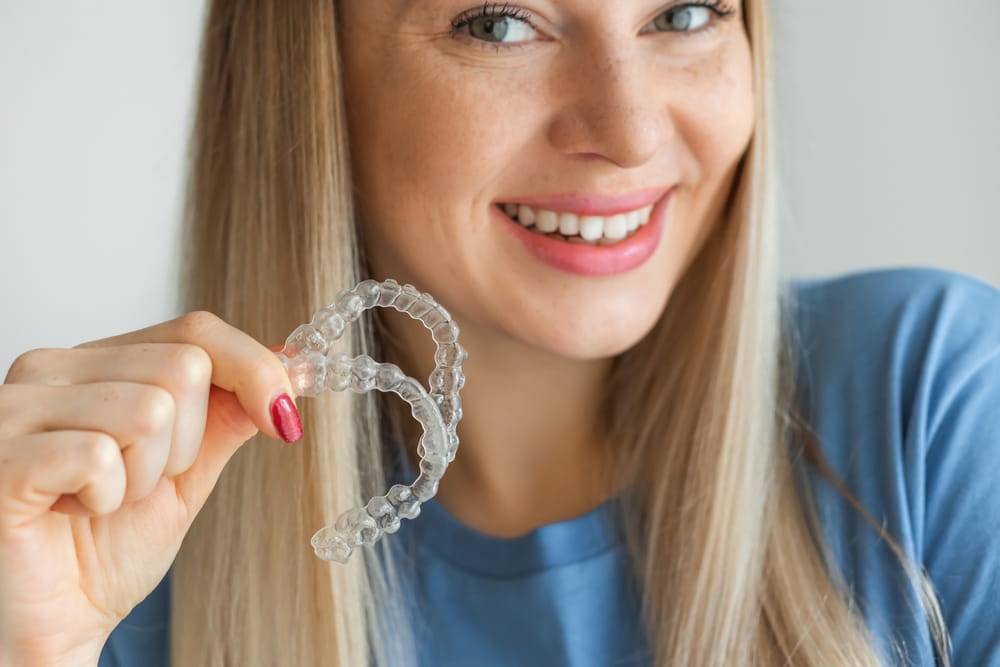
Orthodontic treatment is not limited to childhood or the teenage years. Adults may decide to straighten their teeth because of crowding, gaps, shifting teeth, bite concerns, or simply because they would like a more balanced smile. For patients learning about their options, Back Bay Dental in Wolfeboro, NH, encourages informed decisions based on oral health, treatment goals, and the complexity of tooth movement needed.
Clear aligners have become an increasingly familiar alternative to traditional braces. Systems such as SureSmile Clear Aligners use a planned series of removable trays to gradually guide teeth toward their intended positions. Because the trays are transparent and removable, they can be particularly appealing to adults who want orthodontic treatment to interfere as little as possible with professional, social, and everyday routines.
What Makes Clear Aligners Appealing to Adults?
One of the most noticeable advantages of clear aligners is their discreet appearance. The trays fit closely over the teeth and are generally less noticeable than conventional metal brackets and wires. This may matter to adults who regularly interact with clients, coworkers, patients, or the public and would prefer a less visible orthodontic appliance.
Removability is another practical advantage. Aligners can typically be taken out while eating, drinking beverages other than water, brushing, and flossing. This means there are generally fewer food restrictions than there are with fixed braces. It may also make maintaining daily oral hygiene more straightforward because patients can brush and floss without navigating around brackets and wires.
However, removability also creates responsibility. Aligners generally need to be worn for most of the day to keep treatment progressing as planned. Adults who frequently forget to replace their trays after meals or leave them out for extended periods may experience slower or less predictable progress.
Are Clear Aligners Effective for Adult Teeth?
Age alone does not prevent teeth from moving orthodontically. Adults can achieve meaningful tooth movement when their teeth, gums, and supporting bone are healthy enough for treatment. Clear aligners may be used to address concerns such as mild to moderate crowding, spacing, rotated teeth, and certain bite problems, although suitability depends on the individual case.
The condition of the gums and supporting structures is especially important for adult patients. Existing gum disease should be identified and appropriately managed before or alongside orthodontic treatment. Periodontal health matters because the tissues surrounding the teeth provide the foundation needed to support controlled tooth movement. A dental evaluation can therefore help determine whether clear aligners are appropriate and whether other oral health concerns should be addressed first.
Treatment planning is also more sophisticated than simply creating trays that look progressively straighter. Digital technology can be used to capture the position of the teeth and develop a planned sequence of movements. The complexity of the bite, previous dental work, missing teeth, crowns, implants, and other factors may all influence how treatment is approached.
What Should Adults Expect During Treatment?
Clear aligner treatment generally begins with an evaluation of the teeth, bite, gums, and overall oral health. Digital records may be collected to create a detailed representation of the mouth and develop a treatment plan. Patients then receive a sequence of aligners, with each set designed to make controlled adjustments before progressing to the next stage.
Consistency is essential. Patients are commonly instructed to wear their aligners for approximately 20 to 22 hours per day, although individual instructions can vary. Aligners should usually be removed for meals and oral hygiene and then placed back over clean teeth. Follow-up visits allow treatment progress to be assessed and adjustments to be made when necessary.
Adults should also understand that completing active orthodontic treatment does not mean the teeth will permanently remain in their new positions without support. Retainers are generally necessary after treatment because teeth naturally have a tendency to shift. Following retention instructions is an important part of protecting the time and financial investment made in orthodontic care.
When Might Clear Aligners Not Be the Best Option?
Clear aligners can be highly useful, but they are not automatically the best treatment for every orthodontic concern. More complicated bite problems, significant tooth rotations, substantial movement requirements, or certain skeletal relationships may require additional orthodontic techniques or a different approach. A professional evaluation is necessary to determine what can realistically be accomplished.
Existing dental conditions may also affect treatment timing. Untreated cavities, active periodontal disease, or other oral health concerns may need attention before orthodontic tooth movement begins. Adults with extensive restorative dentistry may require additional planning to account for crowns, bridges, implants, or other restorations.
Personal habits matter as well. Someone who knows they are unlikely to wear removable trays consistently may find that the convenience of aligners becomes a disadvantage. Successful treatment depends on both appropriate case selection and patient participation.
So, Are Clear Aligners Worth the Investment?
Whether clear aligners are “worth it” depends on what an individual wants to achieve and how well the treatment fits their oral health needs and lifestyle. For an appropriate candidate, potential advantages include discreet treatment, removable appliances, easier access for brushing and flossing, and the ability to improve tooth alignment without traditional metal braces. These benefits can make treatment particularly attractive to adults.
There may also be functional reasons to consider orthodontic treatment beyond appearance. Crowded or overlapping teeth can create areas that are harder to clean, while certain bite relationships may contribute to uneven tooth wear or other dental concerns. Straightening teeth does not automatically eliminate these problems, but improved alignment can sometimes make long-term oral hygiene and dental maintenance easier.
The most useful way to evaluate the investment is to consider the complete picture: treatment goals, expected duration, cost, daily wear requirements, oral health, case complexity, and long-term retention. Comparing these factors can help adults decide whether aligner therapy makes sense for their particular circumstances.
Making an Informed Decision About Your Smile
Clear aligners offer adults a modern and relatively discreet way to explore orthodontic treatment, but successful results depend on proper diagnosis, realistic expectations, and consistent wear. Rather than deciding based solely on appearance or convenience, adults can benefit from understanding how their bite, gum health, existing dental work, and lifestyle may affect treatment.
For patients in Wolfeboro, Carroll County, and the greater Lake Winnipesaukee region, Back Bay Dental and Dr. Nicholas Ciancarelli can serve as a resource for learning more about oral health and modern dental treatment options. Understanding both the benefits and responsibilities associated with clear aligners can make it easier to have an informed conversation about whether orthodontic treatment aligns with your dental goals.
Resources
American Association of Orthodontists. (n.d.). Adult Orthodontics. American Association of Orthodontists.
American Dental Association. (n.d.). Braces and Orthodontics. MouthHealthy.
Papadimitriou, A., Mousoulea, S., Gkantidis, N., & Kloukos, D. (2018). Clinical Effectiveness of Invisalign Orthodontic Treatment: A Systematic Review. Progress in Orthodontics, 19, 37.